I’ve watched my kid stare at a tablet for forty-three minutes straight.
And felt that familiar guilt crawl up my spine.
You know the drill. You want something fun. Something that doesn’t feel like school.
Something that doesn’t end with whining or you Googling “how to make flashcards not suck.”
Most “educational” activities are just busywork dressed up in glitter.
I’m done pretending learning has to look serious to count.
This isn’t theory. These are Active Learning Activities Famparentlife that real families use (no) prep, no price tag, no eye-rolling from the kids.
I’ve tested them. So have dozens of parents who just wanted ten minutes of real connection instead of screen time bargaining.
You’ll get simple ideas that spark questions (not) groans.
That build curiosity (not) compliance.
That actually work.
The Kitchen Classroom: Where Flour Dust Feels Like Lab Coats
I measure butter with my kid’s hands. Cold. Greasy.
Slightly sticky. That’s science before the stove even clicks on.
The kitchen is not a backup plan for learning. It’s the real lab. No goggles needed (though flour clouds do look like fog machines).
Baking teaches math you can taste. Halving a 3/4 cup? That’s fractions with consequences.
Double the recipe? You’re doing multiplication that matters. Because six cookies become twelve, and someone will notice.
Sequencing isn’t abstract here. Mix dry first. Then wet.
Then fold. Not stir. Get it wrong, and your muffins sink.
That’s cause and effect you bite into.
Melting butter is matter changing state. Baking soda + vinegar? A fizzing reaction you hear, smell, and watch bubble up like a tiny volcano.
(Yes, I let them poke it.)
Where does chocolate come from? Not the bag. A cacao tree.
That’s biology (with) a sugar kick.
Let’s try No-Bake Energy Balls.
First: measure 1 cup oats. Scoop. Level.
Talk about volume. Ask: Is this more or less than a baseball?
Then count 24 chocolate chips. One by one. Counting practice.
Fine motor practice. And yes. They’ll eat three.
That’s data collection.
Mix in peanut butter. Watch it thicken. Smell the roast.
Feel the resistance change as it binds.
Roll into balls. Texture shift. Crumbly to smooth.
Physics in palm-sized form.
This is Active Learning Activities Famparentlife (no) screen, no worksheet, just real work with real stakes (and real snacks).
If you want more of this grounded, sensory-rich approach, check out the Famparentlife page.
It’s not about perfect lessons. It’s about noticing the steam rise. Hearing the sizzle.
Feeling the dough stick.
That’s where learning sticks too.
Adventure Starts Where Your Shoes Do
I used to think adventure meant packing a suitcase. Then I watched my kid stare at an ant for seven minutes. That was the day I stopped waiting for permission to explore.
You don’t need a plane ticket. You don’t need a vacation fund. You just need five minutes outside and a willingness to look down.
Try a Nature Scavenger Hunt. Not the vague kind. The real one.
Give them paper and a pencil. Tell them to find:
- something smooth (a river stone, a beetle shell)
- a Y-shaped stick (yes, it’s weirdly satisfying)
- three different leaves (maple, oak, dandelion. No cheating)
- an insect at work (not sleeping, not dead (actively) doing something)
They’ll crouch. They’ll squint. They’ll forget their phone exists.
Next, make a Nature Journal. No fancy supplies. Just stapled paper and a crayon.
Draw what they found. Press a leaf between pages. Glue on bark scrap.
This isn’t art class. It’s observation training disguised as play.
Then try the Sound Map. Sit still for five minutes. No talking.
No screens. Draw a circle. Put yourself in the center.
Mark where each sound comes from. Wind in the maple, dog barking two houses over, that weird metal clank from the garage. It teaches listening like nothing else.
Mindfulness isn’t about chanting. It’s about hearing the squirrel before you see it.
You can read more about this in Active Learning Games Famparentlife.
These aren’t filler activities. They’re how kids learn scale, texture, cause and effect. Without a worksheet.
They’re how you remember your neighborhood has layers.
I’ve done all three with kids who swore they were “bored” five minutes earlier.
Spoiler: boredom is just curiosity waiting for an invitation.
If you want real-world, low-stakes, high-engagement ideas, check out Active Learning Activities Famparentlife. It’s not theory. It’s what works when the Wi-Fi’s down and the energy’s up.
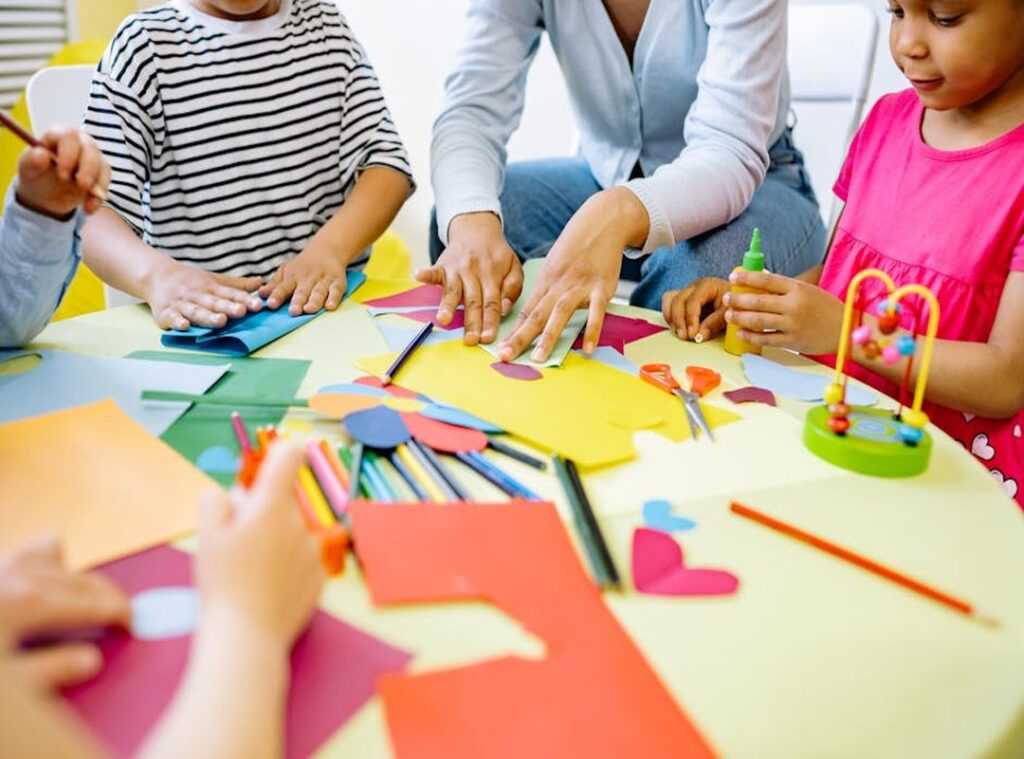
Low-Prep, High-Imagination: Creative Projects Without the Mess

I hate messy crafts. The glitter. The glue puddles.
The 47 minutes spent hunting for scissors after you’ve already started.
You do too. Let’s be real.
Here’s what I actually do instead (no) prep, no cleanup war, and yes, it still counts as learning.
The Storytelling Jar is my go-to. I write tiny prompts on slips: “a grumpy squirrel,” “a library that floats,” “a broken compass.” Toss them in a mason jar. Everyone pulls one and adds a sentence to the same story.
No rules. No grading. Just momentum.
It builds vocabulary like magic (and yes, it works even when your kid says “and then the squirrel ate the moon”).
Then there’s the One-Material Challenge. Last week: a roll of aluminum foil. Goal? “Make something that moves.” My kid made a wobbly robot arm.
My partner built a tiny boat. I folded a very sad-looking owl. We laughed.
We problem-solved. We used zero Google.
A pillow fort isn’t just fun (it’s) a launchpad. Call it the Fortress of Knowledge. Add books.
Hand out notebooks. Say “this space is for drawing ideas or writing down questions.” Suddenly it’s not just hiding from dinner. It’s quiet thinking time.
Active Learning Activities Famparentlife isn’t about perfection. It’s about showing up with curiosity, not craft supplies.
Active learning games famparentlife has more like this. No glitter required.
Pro tip: If the jar gets boring, swap prompts every two weeks. Kids notice. They’ll ask.
You don’t need Pinterest. You need paper, a jar, and five minutes.
That’s it.
Curiosity Isn’t Caught (It’s) Practiced
I stopped planning “fun science experiments” and started watching how my kid poked at things.
The how matters more than the what. Always.
“What do you think will happen if we drop this in water?” hits different than “Here’s how density works.”
I ask that question even when I don’t know the answer. (Spoiler: I rarely do.)
Celebrating the messy, loud, wrong guess? That’s where real learning sticks.
Right answers fade. The habit of wondering? That lasts.
We tried Active Learning Activities Famparentlife last month. Not as a checklist, but as permission to pause and say “Wait, why did that happen?”
It rewired how I respond when my kid asks “Why is the sky blue?”
I say “What do you think?” first. Then we look it up together.
That shift (from) performer to co-investigator (changed) everything.
You’ll find more of this thinking in the Parenting wellness infoguide famparentlife.
Your Family Already Knows How to Learn Together
I’ve watched families stress over lesson plans and screen time limits. You don’t need another app. You don’t need a curriculum.
You need moments that feel like play (not) prep.
That’s what Active Learning Activities Famparentlife is built on. Real talk: the best learning happens while stirring batter or naming birds on the sidewalk. Not at a desk.
Not on a timer.
So here’s your move this week: pick one thing. Just one. Bake cookies.
Hunt for rocks. Sketch clouds.
Do it together. Keep it light. Stop when someone laughs.
That’s how curiosity sticks. That’s how memories form.
You wanted connection. Not more work. You got it.
Go do that thing now.