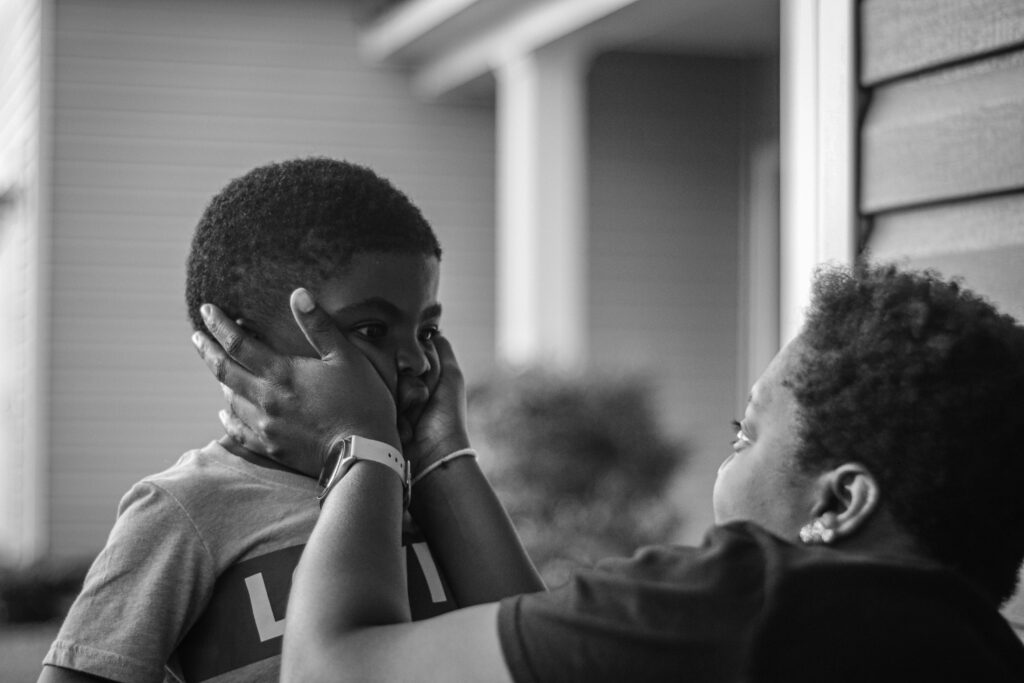
Understanding Mental Burnout in Blended Families
Blended families bring love, growth, and new beginnings but also a complex emotional reality. Navigating relationships between stepparents, biological parents, children, and ex partners can create a heavier emotional load than in traditional family structures.
Why Blended Families Carry Unique Stressors
Unlike nuclear families, blended families often juggle:
Multiple parenting styles that may clash or confuse children
Ongoing negotiations with ex partners and co parents
Emotional loyalty conflicts, particularly among children torn between parental figures
Unresolved grief from past relationships and family changes
These overlapping challenges can quickly lead to mental overload, especially when combined with everyday obligations.
Common Burnout Triggers in Blended Families
While every family is different, certain stress points surface regularly:
Parenting conflicts between biological and stepparents over discipline or involvement
Loyalty binds where children feel pressure to choose sides
Co parenting stress caused by poor communication, legal complexities, or unequal effort
Left unchecked, these triggers can erode patience and increase emotional tension among all family members.
How Mental Fatigue Creeps In
Burnout doesn’t always announce itself loudly. In blended families, mental exhaustion tends to build slowly:
Caregivers may start ignoring their own emotional needs
Small disagreements turn into daily arguments
Energy for fun, affection, and patience wears down
What starts as a push to make everything work can spiral into chronic fatigue if not addressed early.
Recognizing these early warning signs is the first step toward protecting your family’s emotional well being.
Signs You Shouldn’t Ignore
Blended family life brings both joy and complexity but when stress quietly tips into burnout, it’s easy to miss the signs until they’re impossible to ignore. Knowing the difference between temporary stress and persistent emotional exhaustion can help prevent long term damage to personal wellbeing and family relationships.
Emotional Exhaustion vs. Normal Frustration
It’s common to feel frustrated during a tough parenting day, but burnout goes beyond the occasional irritability.
Normal frustration is situation based and typically resolves with rest or time.
Emotional exhaustion builds slowly and feels constant, often presenting as a lack of motivation or disconnection from the role as a partner or parent.
Warning signs may include chronic fatigue, feeling emotionally drained after even minor interactions, or starting each day feeling behind before it begins.
When Emotional Habits Become Default
When burnout sets in, it’s not just occasional stress that shows up it becomes the default emotional setting.
Pay close attention if you notice:
Irritability and snapping over small issues
Consistent withdrawal from partner or family activities
Constant guilt or feeling like you’re always falling short
These aren’t just bad days they can indicate your emotional resources are depleted.
Kids Notice More Than You Think
Burnout doesn’t just affect adults it echoes through the behavior of children who are reacting to stress in the home climate.
Look for these shifts that may reflect adult emotional burnout:
Sudden behavioral regressions (clinginess, withdrawal, or defiance)
Increased sensitivity or emotional outbursts
A drop in communication or openness with parents or guardians
Children often mirror the emotional climate they’re raised in. If they’re acting out or withdrawing, it’s worth asking if they’re responding to stress signals around them.
Recognizing these patterns is the first step toward change. Acknowledgment leads to action and action helps rebuild your internal reserve before burnout becomes unmanageable.
Addressing the Root, Not Just the Reaction
Burnout in blended families doesn’t start with chaos it builds quietly from miscommunication, unclear boundaries, and the silent pressure to hold everything together. Reducing emotional friction starts with tightening your communication strategy. That means fewer loaded assumptions, more direct language, and low drama delivery. Don’t wait for stress signals to boil over. Instead, use regular check ins to air issues early, even if it’s just five minutes over coffee at the kitchen counter.
Boundaries are necessary, not selfish. This applies to everything from shared calendars and parenting duties to what access ex partners have to your home or weekends. The guilt that often tags along with boundaries? Let it go. You’re not being cold you’re being clear. And clarity creates space for trust, not resentment.
Finally, co parenting doesn’t mean over functioning to keep the peace. Parenting isn’t a solo performance. Everyone should have skin in the game. That might mean letting go of control so your partner can step in even if they don’t do it exactly your way. Splitting emotional labor equally might feel messy at first, but long term, it’s the only way to avoid running on empty.
Proven Tools That Make a Difference
Burnout in blended families doesn’t fix itself you have to move with intention. That starts with recovery steps that don’t just sound good but actually shift how you feel day to day. Think less about bubble baths and more about boundaries, breathwork, and brutal honesty with yourself and your co parent. Even 10 minutes of quiet, basic grounding exercises, or a solo walk around the block can interrupt the spiral.
Mental resilience isn’t about staying strong all the time. It’s knowing when to bend. Blended families who build resilience do small things consistently: shared check ins, clear delegation of parenting roles, and open discussion about emotional load. Not every conversation has to be deep, but it helps to name when things feel off.
On a practical level, structure helps. Morning routines with room for unexpected kid chaos. Meal plans that don’t rely on perfection. A shared calendar everyone actually uses. The goal isn’t friction free living it’s reducing the number of times you hit the wall.
If you’re in the thick of it and want a deeper toolkit, check out the parent fatigue guide. There’s no shortcut to peace, but there are plenty of repeatable steps.
Getting Help Without Shame
Burnout in blended families isn’t just about being tired. It’s about emotional depletion that runs deep and lingers. Getting help shouldn’t be a last resort it should be part of the toolkit.
Therapy that understands blended family dynamics matters. Not every counselor fits this mold. Look for professionals with experience in stepfamily systems, co parenting challenges, and post divorce adjustment. Family or couples therapy is often more effective when it’s tailored to the complexity of blended roles not just “standard” parenting struggles.
If therapy sounds out of reach, start with online resources. There are trusted platforms, blogs, and support groups created by and for blended families places where people speak the same language and get the nuances of what’s hard. Peer support groups, especially those that meet virtually, offer a safe space to vent, share wins, and hear practical strategies that actually work.
Knowing when to seek professional mental health support isn’t always obvious. If burnout is affecting your sleep, your ability to function, or your connection with your kids or partner, it’s time. If conflict is constant and nothing seems to shift, it’s time. You don’t have to collapse to take a break or ask for backup.
Help shouldn’t come with guilt. It should come with relief. And even small steps toward getting support can start to shift the weight.
Rebuilding Without Burning Out Again
Dealing with burnout once is hard enough. The real work? Making sure it doesn’t sneak back in. Long term prevention isn’t glamorous, but it’s essential. Routines matter. When everyone in the family knows what’s coming next who’s picking up the kids, what nights are screen free, when downtime happens stress drops. Role clarity matters, too. Blended families often run on blurred lines. Get specific. Who handles discipline in what situation? Who checks homework? Spelling it out cuts down on resentment and over functioning.
That said, routine isn’t enough without emotional awareness. Regular check ins formal or offhand keep the family pulse in view. Everyone’s juggling something. Making space to say so strengthens the base.
The Parent Fatigue Guide digs into how to build a family rhythm that doesn’t just function it endures. It’s not about perfection, it’s about sustainability.
Also, a reminder: recovery is not linear. You’ll have good weeks. You’ll hit walls. None of it means you’re doing it wrong. You’re just human raising other humans in a complex setup. Some days that’s enough. Some days it isn’t. Keep showing up anyway.