The Mental Load Is Still Heavy
Blended families entered the pandemic already managing layered dynamics: multiple households, custody schedules, complicated communication channels. When COVID hit, it broke that fragile structure completely. Suddenly, logistical challenges turned into emotional battlegrounds Who’s safe to see? Where should the kids stay during lockdown? Whose rules take priority when schools close?
The strain wasn’t just logistical. It was deeply psychological. Kids bounced between homes with different safety standards. Parents wrestled with decisions that no one agreed on. Stepparents often got left out of conversations entirely. Uncertainty and inconsistency became the norm and that has a lasting cost.
Fast forward to now, and families are still carrying the emotional residue: heightened anxiety, disrupted routines, and grief that was never really given space. The loss wasn’t always a person it was often a sense of normalcy, stability, or even control. Blended families are trying to recalibrate, but many are still moving through fog.
And it shows up in little ways: tension at pickup time, school absences, panic over a simple cough, or even reluctance to make future plans. The pressure didn’t disappear when cases dropped. It just changed shape. Understanding that weight is the first step to lifting it.
Triggers That Haven’t Gone Away
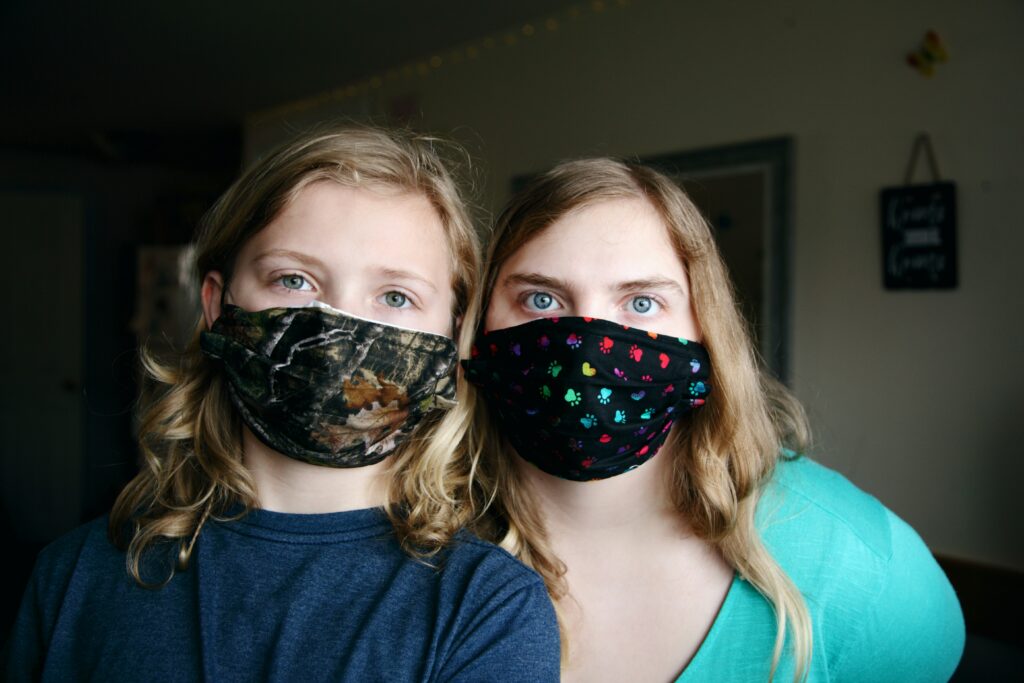
Even after lockdowns ended and vaccines rolled out, blended families are still living with low level stress that never really left. Custody exchanges remain a flashpoint who was exposed, who follows the rules, who gets to set them. Mask debates and testing disagreements haven’t disappeared; they’ve just morphed into new arguments over what counts as safe or responsible parenting.
These aren’t just logistics they hit on deeper trust gaps. One house may feel cautious, the other more relaxed. Kids bounce between those emotional climates, sometimes carrying messages or judgments they don’t even realize. That constant recalibration makes it hard for either side to fully let their guard down.
Then there’s the ache that no one says aloud: what could’ve been. Missed holidays, school events gone virtual, firsts that happened on a screen or not at all. Blended families, already used to managing complicated schedules and boundaries, sat with even more silent grief during the pandemic. That weight didn’t lift when the world reopened. For many, it’s still hanging in the air, just under the surface.
Kids in the Middle
Children in blended families were uniquely impacted by the pandemic not just because of school closures or disrupted routines, but because their emotional ecosystems were already complex. The pressure to adapt to step parents, half siblings, and shifting homes only deepened during lockdowns, where physical separation and emotional overload became daily realities.
The Emotional Complexity Children Carry
Blended family dynamics often require children to juggle multiple sets of rules, expectations, and emotional atmospheres. During the pandemic, that juggling act intensified:
Navigating dual households with conflicting safety protocols
Coping with inconsistent access to parents due to quarantine restrictions or exposure risks
Processing unspoken tensions between caregivers and step siblings
This emotional load didn’t disappear with school reopenings it lingers beneath the surface.
Delayed Development of Trust and Identity
Many children in blended households experienced delays or disruptions in developing:
Trust Repeated changes in rules, schedules, and communication weakened reliance on parental consistency.
Identity Living in two homes may have created conflicting messages about who they are or where they belong.
Belonging Pandemic isolation prevented relationship building with step relatives and even biological parents in some cases.
These developmental slowdowns show up not as obvious distress, but as subtle emotional withdrawal or behavioral shifts over time.
Warning Signs Parents Should Watch For
It’s crucial that parents and caregivers remain vigilant to signs of lingering distress. Some behaviors to track include:
Easily triggered irritability or frequent shutdowns
Reluctance to transition between homes
Difficulty expressing thoughts or feelings, especially around family dynamics
Regression in social skills or school performance
Avoidance of discussions about family events or relationships
Being proactive doesn’t mean fixing everything at once it means opening the door to support and communication. Step one: make space for them to feel seen and safe.
To learn more about how the pandemic continues to affect mental health in blended families, visit this resource guide.
Step Parent Stress, Resurfaced
In blended families, step parents often navigate both the expectations of parenting and the limitations of their role. The pandemic didn’t help. It forced everyone into tighter routines, with fewer boundaries and more decisions packed into every day from screen time rules to co parenting logistics. That slow drip decision fatigue hasn’t disappeared. If anything, it’s calcified.
Blurred roles have become the norm. Who disciplines who? Who comforts the kid after a rough Zoom class with the other parent? These blurry lines create stress, even resentment, especially when authority feels assumed, not earned. Layer on the guilt over not being a biological parent, or over not “stepping up” enough and it’s no wonder many step parents feel more like spectators than leaders in the home.
What’s tougher now is that mutual support between co parents and step parents takes more deliberate effort. Everyone’s tank is low. Communication can get clipped, empathy delayed. Yet that same support is more crucial than ever not just for the kids, but for keeping the family unit functional. When step parents are seen, backed up, and given clear space to lead, the whole house breathes easier.
Support Isn’t Optional Anymore
Therapists are finally catching up to the realities of blended families. New models are focused less on textbook dynamics and more on what actually happens between stepparents, biological parents, and kids in multi layered households. Sessions now prioritize flexible boundaries, co parenting alignment, and managing past trauma not just conflict resolution. The best therapy doesn’t assume a nuclear mold.
Outside the therapy room, community matters more than ever. Online networks like forums and moderated support groups are offering spaces for honest dialogue and emotional ventilation. Some local organizations have started blended parent meetups, and a few schools have stepped in to help bridge emotional gaps for kids stuck between homes.
Then there’s the toolkit: shared calendars to limit logistical tension, communication apps that protect co parents from spiraling into arguments, and household agreements that reset expectations. These tools sound simple, but they cut down chaos and minimize miscommunication.
For deeper insights and resources tailored to these challenges, visit the full guide on pandemic mental health.
Healing Needs Time and Intention
Blended families didn’t just survive a pandemic they carried a psychological marathon with no clear finish line. Now, healing requires more than just the passage of time. It demands regular, long term emotional check ins. These aren’t one off conversations. They’re recurring, intentional pauses a chance for parents and kids to say what’s working, where it still hurts, and what needs adjusting. There’s no magic script. Just a willingness to listen, and to stay honest.
Rebuilding rituals and routines is a quiet but powerful part of the process. Maybe that’s Sunday pancake breakfast, or Tuesday night walks, or journaling together once a week. The goal isn’t perfection it’s rhythm. Something reliable that makes people feel safe again.
Respect is another layer. In blended households, it’s earned moment by moment. Everyone’s experience is different, so forcing uniformity backfires. What works is patience. Empathy. Giving space while staying available. And choosing transparency over pretending everything’s fine.
Integration after disruption isn’t fast. But if done with care, it’s lasting. For more on where to start, check out this guide: pandemic mental health.