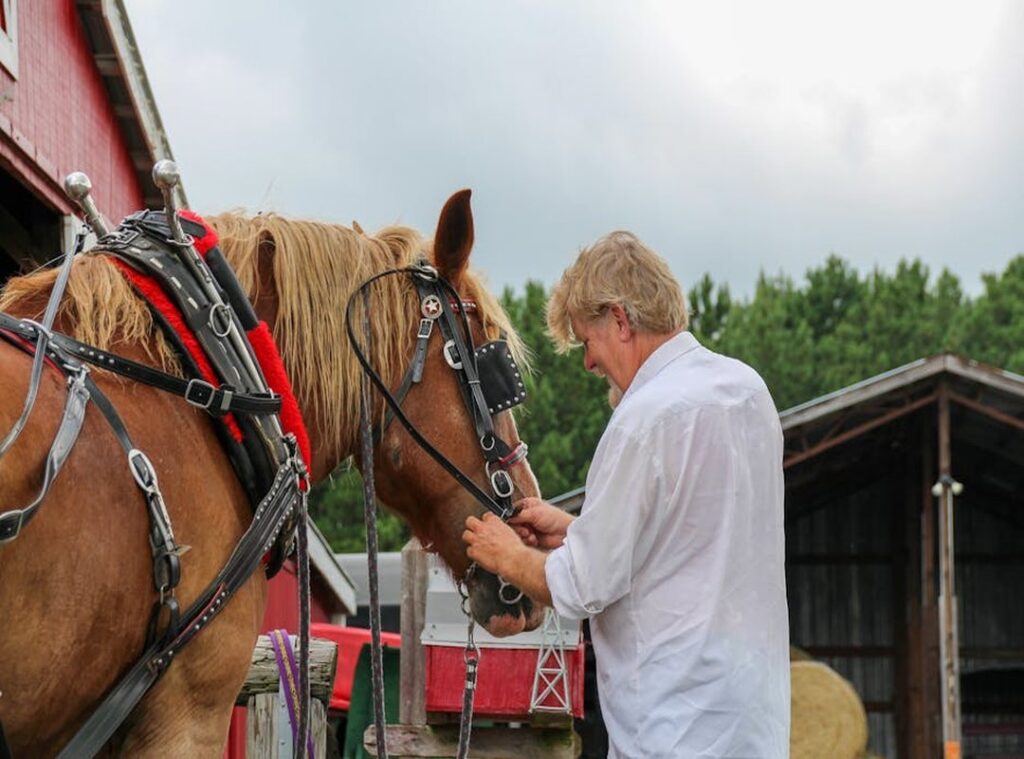
You’ve probably seen the orange shirt man and horse video that’s been all over social media. It’s simple, funny, and heartwarming. But here’s the thing: while we’re busy laughing, we often miss the deeper, more profound lessons right in front of us.
Especially when it comes to handling tough relationships. This video isn’t just about a guy and a horse. It’s a masterclass in patience, communication, and trust.
These are the same skills that can change how you interact with your family. Whether you’re dealing with a stubborn teen or a challenging co-parent, these principles apply.
I’m going to break down what makes this video so powerful and how you can use those insights to build stronger connections with the people you love. Trust me, it’s worth a closer look.
The Horse in the Room: A Metaphor for Big Family Emotions
Have you ever felt like a child’s tantrum is as unpredictable as a wild horse? There’s a reason for that. In the orange shirt man and horse video, the man doesn’t use force or intimidation.
He uses calm, steady energy and non-verbal cues to build rapport.
This approach can be a game-changer in parenting. When a child is having a tantrum, meeting their chaotic energy with your own anger only escalates the situation. Model the calm you want to see.
In blended families, building trust with a stepchild requires the same patience and non-threatening approach. It’s about creating a safe space where they feel understood and valued.
Reading ‘body language’ is crucial. What are the subtle signs of distress or anxiety your child or partner shows before an emotional outburst? Understanding these cues can help you de-escalate situations before they get out of hand.
Understanding the ‘horse’—the big, overwhelming emotions—is the first step to creating a safe emotional environment for everyone. Does this sound familiar?
The Orange Shirt Effect: Leading with Calm, Visible Consistency
The bright orange shirt makes the man the clear focal point in the video. As a parent, you are always the focal point. Your emotional state sets the tone for the entire family.
Introduce the concept of co-regulation. The man’s calm nervous system helps regulate the horse’s. Parents do the same for their children, whether they realize it or not.
Apply this to co-parenting after divorce. During tense drop-offs or disagreements, being the ‘orange shirt’—the visibly calm and stable party—can de-escalate conflict and provide security for the child.
Orange shirt man and horse video
Offer an actionable tip: before a difficult conversation, take 60 seconds to practice box breathing (inhale for 4, hold for 4, exhale for 4, hold for 4) to ground yourself.
This consistency is crucial. The horse trusts the man because his actions are predictable. Children thrive on the same emotional predictability from their parents.
Warn against the opposite: emotional volatility. It forces children to be hyper-vigilant and anxious, always guessing which version of their parent they will get.
Back in 2019, I saw a family where one parent was consistently calm. The kids were noticeably more relaxed and secure. Emotional stability over time builds trust and security.
Building the Reins of Trust, One Gentle Interaction at a Time
The trust seen in the orange shirt man and horse video wasn’t created in that single moment. It’s the result of countless previous interactions that built a foundation of safety.
This is true for family bonding too. Trust isn’t built during big vacations; it’s forged in small, everyday moments. Listening, validating feelings, and being present—these are the building blocks.
A practical family bonding activity: implement a ‘no-fix’ sharing circle. Each family member can share a high and low from their day without anyone offering advice or judgment.
A child’s sense of security is directly tied to their trust in their caregivers. This is the bedrock of resilience and self-esteem. Research shows that consistent, supportive interactions lead to better mental health outcomes.
Trying to rush or force a connection, especially in a new blended family, is a common pitfall. Like with the horse, this only creates resistance and fear. Trust is earned through consistency, not grand gestures.
For more on this, check out the latest trends in blended family therapy must knows for parents.
Applying the Lesson When No One is Filming
The real test of these principles isn’t in a single, observable moment. It’s in the messy, private, day-to-day challenges of parenting.
Think about one recurring conflict in your home. Maybe it’s bedtime struggles, screen time arguments, or chore negotiations.
How could you approach it differently?
Imagine that scenario through the lens of the video featuring a man in an orange shirt with a horse. Could you use a calmer tone? Could you validate your child’s frustration before stating the boundary?
Could you focus on connection before correction?
This isn’t about being a perfect parent. It’s about being a more mindful one. It’s about choosing a conscious response over an automatic reaction.
Parenting is a skill. Just like training a horse, it gets stronger with practice.
Beyond the Clip: Finding Your Own Orange Shirt Moment
The orange shirt man and horse video is a powerful, accessible masterclass in emotional regulation, patience, and trust-building. It teaches us that the solution to many family conflicts lies not in controlling the other person (the ‘horse’), but in controlling our own response.
You have the ability to be the calm, steady presence your family needs. The next time you feel a family conflict escalating, picture the man and the horse, take a deep breath, and choose to be the orange shirt.