Spotting Burnout Before It Takes Over
Parental burnout doesn’t show up all at once it creeps in. Fast. Small things start to weigh heavier: snapping over a messy room, zoning out during dinner, or waking up already tired. The classic trio exhaustion, irritability, and emotional detachment aren’t just mood swings. They’re red flags.
In blended families, burnout often wears a different face. You’re not just juggling tasks you’re juggling relationships. Navigating step sibling dynamics, managing communication with exes, and blending different parenting styles? That adds layers of stress that traditional family structures often don’t encounter. It’s less about chaos and more about constant low level drain.
The problem is, burnout ignored becomes burnout that bites. When early symptoms are brushed off, patience with kids wears thin, communication with partners breaks down, and co parenting turns tense. Not spotting these signals early can mean you’re not just parenting exhausted you’re parenting disconnected. And that hits everyone in the house.
Catching it early doesn’t require a radical life change. But it does mean paying attention. You shouldn’t have to run on fumes to prove you’re holding it together.
Stress Triggers Unique to Blended Families
If you’re in a blended family, odds are your calendar looks like a jigsaw puzzle and it changes weekly. Between coordinating drop offs, negotiating shared holidays, and working around school events split across multiple households, scheduling alone can feel like a second job. Now add in different parenting styles, varying household rules, and the emotional toll of managing ex partner dynamics, and you start to see why burnout creeps in fast.
Then there’s the emotional labor. Making sure every kid feels seen, every adult feels heard, and no one gets lost in the shuffle isn’t just a nice to have it’s a constant responsibility. If one kid calls you mom and another keeps their distance, you walk a tightrope of patience, empathy, and restraint every day.
And the mental load? It’s brutal. You’re trying to remember who likes what in their lunch, who needs help with reading, who’s had a tough week with a co parent, and when the next bridge building conversation with an ex is supposed to happen…all while parenting in real time.
It’s not chaos it’s a complex system. But complexity has a price. Acknowledging what you’re carrying is the first step toward easing that load.
Smart Strategies to Lighten the Load
Burnout in a blended household doesn’t always come with flashing warning signs it often builds silently under the weight of unrealistic expectations. One of the most effective ways to regain control is to implement smarter strategies that prioritize sustainability over perfection.
Delegate Out of Survival, Not Guilt
Many parents in blended families hesitate to ask for help, often out of guilt or fear of appearing unable to cope. But delegation isn’t weakness it’s how you stay in the game.
Divide responsibilities between all capable adults, where possible
Involve older children in age appropriate household tasks
Share school pick ups, meals, and bedtime routines with your partner
Tip: View delegation as a necessity, not a luxury. Your energy is a limited resource use it wisely.
Set Boundaries That Serve Everyone
Boundaries aren’t about pushing people away they’re about clarifying what’s manageable.
Have honest talks with co parents about expectations and communication limits
Establish rules around house dynamics chores, screen time, shared spaces
Set personal limits on your time and emotional bandwidth
Reminder: Clear boundaries reduce resentment and create predictability a major win in blended households.
Schedule Recovery Time Like It’s a Doctor’s Appointment
Rest and recovery are not optional add ons. They’re essential if you want to parent with clarity and patience.
Block off time each week that’s just for you and protect it fiercely
Decide in advance what refuels you (a walk, journaling, solitude) and make it non negotiable
Let your household know when your recovery time happens, and why it matters
Pro Tip: Put self renewal on the calendar the same way you would a work meeting or school event. If it’s not scheduled, it’s likely to be skipped.
Why Self Care Isn’t Optional
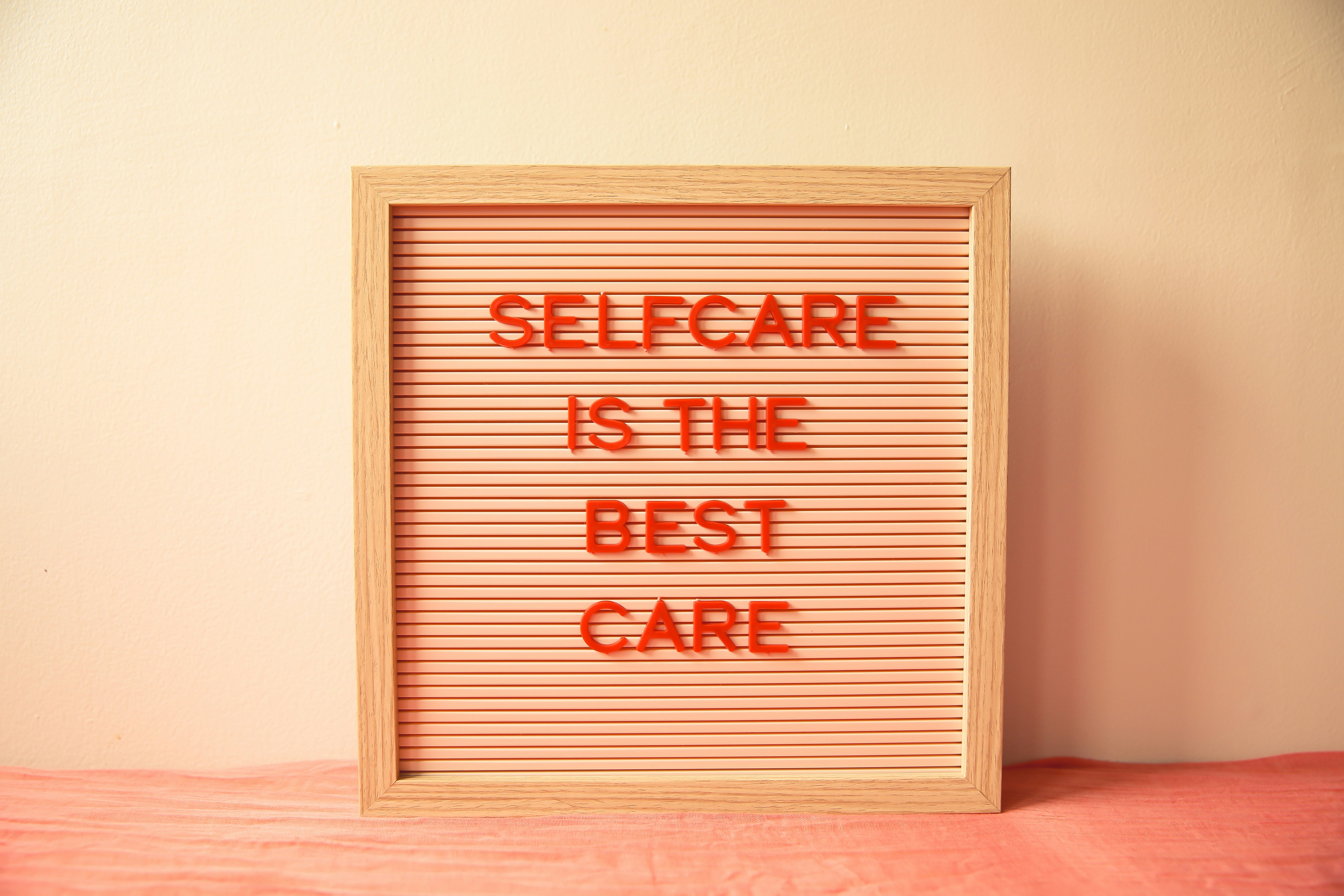
There’s a straight line between how you’re doing and how your kids are doing. When you’re short on rest, patience, or peace, it spills into the atmosphere of the entire household especially in blended families where emotional dynamics run layered and deep. Kids pick up on your energy, your tone, and the way you show up. If you’re stretched too thin, you’re not just tired; you’re unavailable.
Forget the candles and spa clichés. Real self care looks like saying no without apology. It looks like going to bed instead of cleaning the kitchen. It’s blocking off two hours for yourself on a Saturday even when the house is buzzing. Sometimes, it’s therapy. Sometimes, it’s silence. All of it matters more than most parents are told.
When you prioritize your well being, you don’t just get more energy you model balance. Your kids learn what boundaries look like. They learn what recovery looks like. And they feel safer when the adults in their life aren’t running on fumes.
Explore practical tips here: self care for parents
Building Daily Recovery Habits
Creating consistent recovery habits in a blended household isn’t about overhauling your life it’s about carving out small, powerful moments that restore your energy before burnout becomes the default.
Micro Resets: 10 Minutes to Reset Your Mind
When chaos hits, a short mental reset can make all the difference. These aren’t big, elaborate routines they’re accessible ways to center yourself in minutes.
Quick micro resets to try:
Step outside alone and take 20 deep breaths
Stretch for 10 minutes with calm background music
Do a “brain dump” journal your stress without editing yourself
Practice a short guided breathing or mindfulness exercise
Solo Space in a Full House
In a blended family, private space is a luxury but it’s one you need to prioritize.
Ways to create space when everything feels stretched:
Set boundaries around one non shared space (a chair, a corner, your car)
Use headphones, closed doors, or visual cues to signal quiet time
Agree with your partner or co parent on designated “you time” slots
Even just 15 minutes a day of intentional aloneness can lower your stress response.
Protecting What Fuels You: Sleep and Energy
Skipping rest adds up and fast. Energy is the engine that helps you manage everything else. If you’re constantly running on empty, your parenting, patience, and emotional clarity will all take a hit.
Steps to protect your energy:
Set a consistent bedtime and wake up routine
Put down digital devices at least 30 minutes before bed
Limit late night “catch up chores” in favor of rest
Don’t ignore midday fatigue power naps aren’t laziness, they’re recovery tools
Making these recovery habits part of your daily rhythm won’t solve every stressor but they’ll give you the stability to handle what’s next with more clarity and less depletion.
Getting Support That Actually Helps
Asking for help doesn’t mean you’re failing. That’s hard to remember when you’ve been powering through the chaos, juggling school runs, meal plans, and stepkid negotiations. But burnout isn’t a badge of honor it’s a warning light. And ignoring it helps no one.
Start with small asks. Tag out with your partner for 30 minutes. Say yes when a friend offers a school pickup. Stop pretending you’re the only one who can handle bedtime.
Therapy helps, too and not just for crisis mode. A solid therapist can help you sort through your mental load before it weighs you down. If that’s not your speed, try leaning into local or online peer groups for blended families. Chances are, someone else is navigating the same mess and has a shortcut.
When it comes to your partner, timing and tone matter. Frame the conversation around teamwork, not blame. Try, “I’m burning out how can we tweak the load between us?” instead of, “You’re not doing enough.” You’re not asking for a rescue. You’re making space for a team effort.
Support doesn’t mean you’re weak. It means you’re smart enough to know you’re not in this alone.
On the Other Side of Burnout
Burnout can feel all consuming but it isn’t the end of the parenting story. Once you start reclaiming energy, setting better boundaries, and seeking meaningful support, something powerful happens: joy starts to return.
Reconnecting with Joy in Parenting
Rediscovering joy doesn’t require big moments. It’s often the small, quiet things that remind you why this journey matters.
Sharing a laugh with your stepchild over an inside joke
Having an honest, breakthrough moment with your teen
Watching siblings from different families bond naturally and in their own time
Seeking joy means making space for connection without the pressure to be perfect.
Modeling Resilience and Emotional Intelligence
Your kids are watching how you handle stress, recovery, and connection. By working through burnout with intention, you’re not just surviving you’re teaching.
Show that it’s okay to take a break when overwhelmed
Talk openly about emotions in a way that fits your family’s dynamic
Model problem solving instead of people pleasing
When you deal with challenges transparently and compassionately, you raise emotionally flexible and self aware kids.
Seeing Strength in the Blended
Blended families come with extra layers of complexity, of emotion, of commitment. But those layers can also build deep strength.
Multiple perspectives = more empathy
Negotiation and compromise = daily practice in teamwork
Shared values no matter the biological links create true connection
Instead of focusing on where your family differs from the “norm,” embrace the uniqueness. Your path looks different and that’s not a weakness. That’s resilience in action.
Don’t wait too long to make time for you start here: self care for parents