
You’re exhausted.
Scrolling through parenting blogs at 2 a.m. again. Half the advice contradicts the other half. The rest sounds like it was written by someone who’s never changed a poopy diaper while holding a crying baby.
I’ve been there. More times than I’ll admit.
Learning Guide Fpmomlife is not another theory-heavy blog. It’s what I wish existed when my first kid was born.
No fluff. No jargon. Just real talk from real days (the) messy, loud, beautiful chaos of raising kids.
I’ve done this for years. Not in a lab. Not in a seminar.
In kitchens, minivans, and pediatric waiting rooms.
This guide walks you through every stage. Newborn to teen (with) clear, practical steps.
You won’t find perfect answers here. But you will find honest ones.
And that’s what you actually need.
Newborn to Toddler: What Actually Matters
I remember staring at my baby at 2 a.m., wondering if I was doing anything right.
Sleep. Feeding. Milestones.
Those three things dominate your brain for the first three years.
And no, you don’t need perfect sleep. You need predictable sleep. Try putting your baby down drowsy but awake.
Not asleep. Not wired. Just sleepy.
It builds self-soothing. I did it. It worked.
Took two weeks. Worth every tear.
Feeding? Solids start around six months. Not before.
Watch for real readiness: head control, interest in food, ability to sit with support.
Here are five first foods that rarely cause trouble:
- Avocado (mashed)
- Sweet potato (steamed and blended)
- Pear (peeled and pureed)
- Oatmeal (iron-fortified, thinned with breast milk or formula)
- Pea purée (bright green, mild, easy to digest)
Allergy signs? Hives, vomiting, wheezing. Not just fussiness or a mild rash.
If you see those, stop and call your pediatrician.
Milestones? Most parents stress over “when”. But “how” matters more.
Is your baby making eye contact? Responding to sound? Trying to move toward toys?
That’s the real signal. Crawling at 10 months or 14? Fine.
Not babbling by 12 months? Talk to your doctor.
Tantrums aren’t defiance. They’re communication breakdowns.
Pro Tip: Say nothing until you’ve knelt, made eye contact, and named the feeling. “You’re mad because the cup fell.” Then. And only then. Offer the fix.
this page has a solid Learning Guide Fpmomlife that walks through all this without the noise.
You’re not behind. You’re not broken. You’re learning.
Just like they are.
Building Blocks: When Kids Learn How to Be Human
I watch my kid stumble through friendships. I see the tears over spilled juice. I notice how hard it is for them to name what they feel.
Social and emotional development isn’t a side dish in elementary years. It’s the main course.
You think math facts matter? They do. But if your 7-year-old can’t ask for help or sit with disappointment, nothing else sticks.
So here’s one thing that actually works: logical consequences.
Not punishment. Not yelling. Just cause and effect tied to the behavior.
Example: Your 6-year-old throws blocks during clean-up. The logical consequence? They help pick up and skip block time tomorrow.
No drama. No lecture. Just reality.
Want independence? Start small. Then scale.
5-year-old: Put dirty clothes in the hamper. Set the table (forks only). Feed the dog.
9-year-old: Pack their own lunch. Walk to the mailbox alone. Make breakfast on weekends.
(Pro tip: If they mess up the toast, let them eat cold toast. That’s part of the lesson.)
Resilience isn’t built by avoiding failure. It’s built by naming it, sitting with it, and asking “What did that teach you?”
My kid cried for 20 minutes after losing a spelling bee. We sat. I didn’t fix it.
I said, “That hurt. What part stung the most?” She paused. Then said, “I studied the wrong words.” Done.
Lesson locked in.
Family screen time? Keep it simple.
Step 1: Agree on total daily hours (together.)
Step 2: Decide when, not just how long. No screens before school. No devices at dinner.
Step 3: Review it weekly. Tweak it. Let kids argue their case.
I wrote more about this in Fpmomlife Parenting Tips.
This isn’t about control. It’s about rhythm.
The Learning Guide Fpmomlife helped me stop chasing perfection and start trusting the process.
You don’t need flawless execution. You need consistency. And patience.
Connection is Key: Your Toolkit for the Pre-Teen & Teen Years
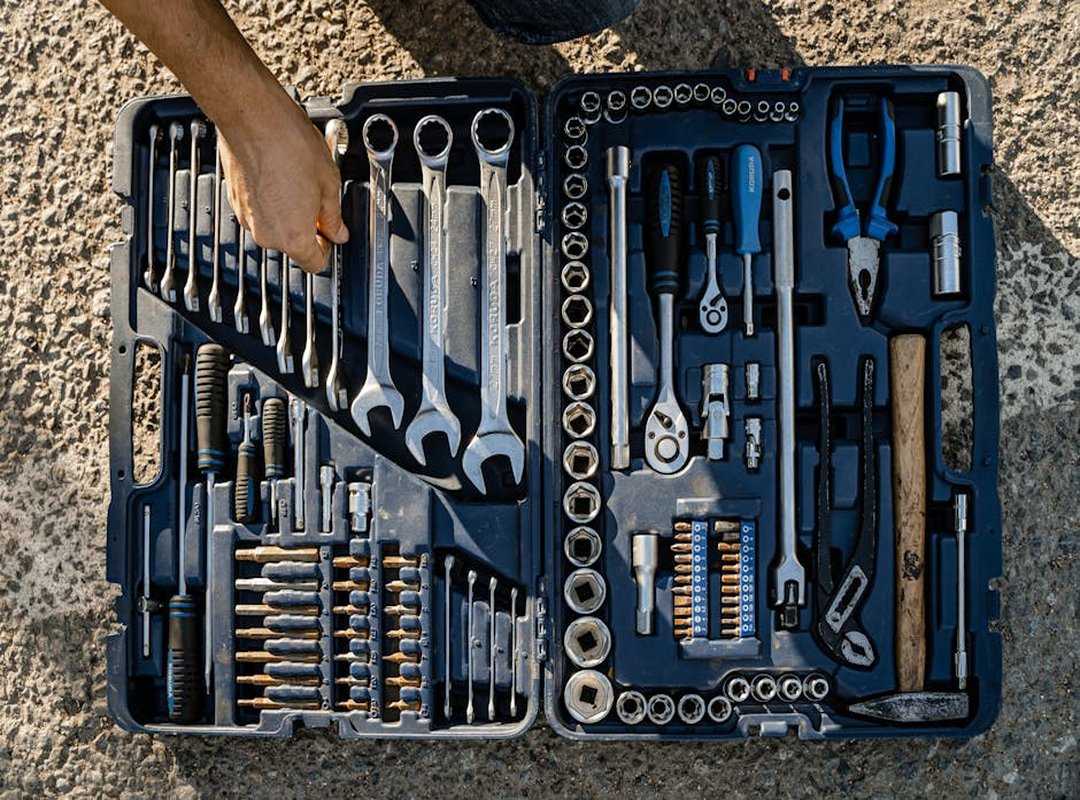
I used to think connection meant knowing where my kid was. Turns out it means knowing who they are. Even when they’re pulling away.
That shift starts with showing up, not fixing. Not every conversation needs a lesson. Sometimes it’s just eye contact in the rearview mirror.
Here are five non-cringey openers I actually use:
- What’s one thing you heard today that surprised you?
- If you could delete one app from your phone right now. Which one?
- What’s something you did this week that felt like you?
- Who made you laugh hardest this week (and) why?
- What’s a rule you wish we’d change?
Online safety isn’t about surveillance. It’s about shared values. Talk about what respect looks like in DMs.
Ask how they’d respond if someone posted something unkind about a friend. Discuss why screenshots break trust. Even as jokes.
Fpmomlife Parenting Tips helped me stop treating social media like a threat and start treating it like terrain we get through together. You’ll find real talk there (not) scripts.
Mental health isn’t always loud. Watch for:
- Sudden sleep shifts (sleeping way more or way less)
- A drop in things they used to enjoy (even) small ones
Teaching money? Skip the lectures. Set up three jars: spend, save, give.
Label them. Let them decide what goes where. Let them mess up.
The goal isn’t perfect behavior. It’s building a foundation where they know (deep) down. They’re seen.
Even when they’re quiet. Even when they’re mad. Even when they slam the door.
That’s the only toolkit that actually works.
The Parent’s Survival Kit: You First, Kids Second
I used to think self-care meant bubble baths and quiet mornings. (Spoiler: those don’t exist anymore.)
Parental burnout isn’t dramatic. It’s forgetting your own name while making lunch. It’s crying in the pantry.
It’s snapping over spilled milk (again.)
Here’s what works today:
- Breathe for 60 seconds before opening the fridge
- Say “no” to one thing you’d normally do (and) mean it
Self-care isn’t about time. It’s about attention. A 10-minute podcast walk counts.
Sipping coffee while it’s still hot? That’s mindfulness.
Your partnership matters too. When both parents are running on fumes, resentment builds faster than Legos on the floor.
Taking care of yourself isn’t selfish. It’s the only way your kids get the calm, present parent they actually need.
The Learning Guide Fpmomlife helped me stop waiting for permission to rest.
For more grounded, no-fluff advice? Check out the Parenting Tips page.
You’re Already Doing Enough
Parenting feels like shouting into a void sometimes. You wonder if anyone else is faking it this hard. They are.
This isn’t about fixing you. It’s about giving you real tools (not) theory. For the age your kid is right now.
The Learning Guide Fpmomlife meets you where you are. No guilt. No perfection.
Just one clear thing to try this week.
Which section matches your child’s age? Go there now. Pick one tip.
Try it. Just once.
That’s how connection starts. Not with overhaul. With one small yes to yourself.
You don’t need more advice. You need relief. This guide delivers it.
Slowly, without fanfare.
Bookmark it. Come back when the noise gets loud.
Your move.