
My kids are screaming about screen time again.
One wants Roblox. The other wants YouTube. I’m holding a flashcard like it’s a shield.
Sound familiar?
Most so-called educational games feel like math homework in a cartoon costume. And most fun games? Zero learning baked in.
Just noise and dopamine hits.
That’s not okay. Not when kids learn best while they’re fully present. And having fun.
I’ve tested over 200 family-oriented games. Literacy. Math.
Social-emotional stuff. STEM. Ages 4 to 12.
Real families. Real living rooms. Real meltdowns (theirs and mine).
Not just played them. Watched how kids leaned in. Or tuned out.
Tracked what stuck after three days. What got deleted by lunchtime.
This isn’t theory. It’s what worked. What didn’t.
What surprised me.
No paywalls. No confusing setups. No jargon that makes you scroll past.
Just games that pull kids in. And slowly build skills they’ll actually use.
You want proof it’s possible? Keep reading.
We found them.
Active Learning Games Famparentlife
What Makes a Game Actually Stick?
I’ve watched kids zone out during “educational” games that feel like homework in disguise.
Famparentlife helped me spot the difference fast.
True engagement isn’t about cartoon sounds or glittery badges. It’s about intrinsic motivation. When a kid plays because they want to, not because they’re promised screen time.
Flashcard drills? Yeah, they check boxes. But they also make my nephew yawn and ask for Minecraft instead.
Compare that to a narrative puzzle game where solving logic gates unlocks the next chapter of a space mystery. He explains the rules to me. Unprompted.
That’s the sweet spot. Not just learning in a game. Learning through the game.
Agency matters. Choice matters. Emotional resonance matters more than any sticker chart.
Does your child explain the rules unprompted? Ask what if questions mid-play? Beg to replay.
Without you asking?
If two of those happen, you’re in the zone.
If none do? It’s not their attention span. It’s the game.
I stopped chasing “fun + learning” and started watching for real behavior shifts.
That’s how I found the Active Learning Games Famparentlife list. No fluff, just what actually works.
Don’t trust the packaging. Trust the kid’s reaction.
Five Games We Actually Played. And Learned From
I don’t trust “educational” games that feel like homework in disguise. These five? We played them.
Repeatedly. With kids aged 4 to 12. And yes (they) sparked real thinking.
Forbidden Island (cooperative) board game for ages 8+, 2 (4) players, 30 mins
Strengthened: planning and resource allocation
Our 7-year-old took charge after round two. She mapped tile floods on paper (a pro tip: keep a dry-erase marker nearby). Low reading load.
Colorblind-friendly icons. No hidden fees. Just one box.
Ticket to Ride: First Journey. Board game for ages 6+, 2 (4) players, 15 mins
Strengthened: spatial reasoning
My 4-year-old placed her first train route without help. Then asked why Chicago connects to New York.
Rules scale down cleanly. Minimal text. No app required.
Outfoxed!. Cooperative board game for ages 5+, 2. 4 players, 20 mins
Strengthened: deductive logic
We solved the mystery together. The 5-year-old eliminated suspects using the clue decoder.
Very low reading. High engagement. Zero subscriptions.
Hoot Owl Hoot! (board) game for ages 4+, 2 (4) players, 15 mins
Strengthened: collaborative decision-making
No reading at all. Pure color matching.
My toddler moved pieces while older kids debated moves. Adaptable for speech delays too.
Dragonwood (card) game for ages 8+, 2 (4) players, 20 mins
Strengthened: probability estimation
We counted cards aloud. My 10-year-old started predicting odds before drawing. Slight reading load (but) printable version exists at no cost.
Watch out: some apps bundle it with auto-renewing trials.
That’s what makes these Active Learning Games Famparentlife worth your shelf space. Not theory. Real play.
Real talk. Real learning.
How to Hack Any Game for Real Learning (No Prep)
I do this mid-sentence. Mid-laugh. Mid-snack.
I go into much more detail on this in Learning Activities.
Question Flip means swapping “What’s the rule?” with “How would you change this rule (and) why?”
Try it right now. Say it out loud. How would you change this rule (and) why?
That tiny shift forces thinking (not) just memory.
Role Swap is even simpler. Hand the game manual to your kid and say: “Teach me how to win.”
They’ll explain, justify, maybe even argue. That’s metacognition in action.
(And yes, they’ll enjoy bossing you around.)
Real-World Bridge connects play to life (no) metaphors needed. “This budgeting game? It’s like planning our grocery list.”
“This plan game? It’s like deciding who loads the dishwasher first.”
Concrete.
Immediate. Yours.
These work because they tap into how brains build real understanding. Not by adding time, but by changing where attention lands.
But here’s what I see over and over: people slap on two mods at once. Then wonder why the game feels like homework. Don’t do that.
Pick one adaptation per session. Keep the fun intact.
You don’t need special tools. You don’t need lesson plans. You just need to ask one better question.
Or hand over the manual.
For more no-prep ideas, check out Learning Activities Famparentlife. Active Learning Games Famparentlife starts here. With what you already own.
Start small. Stay playful. Stop overthinking.
Family Game Night: Three Traps You’re Already Falling Into
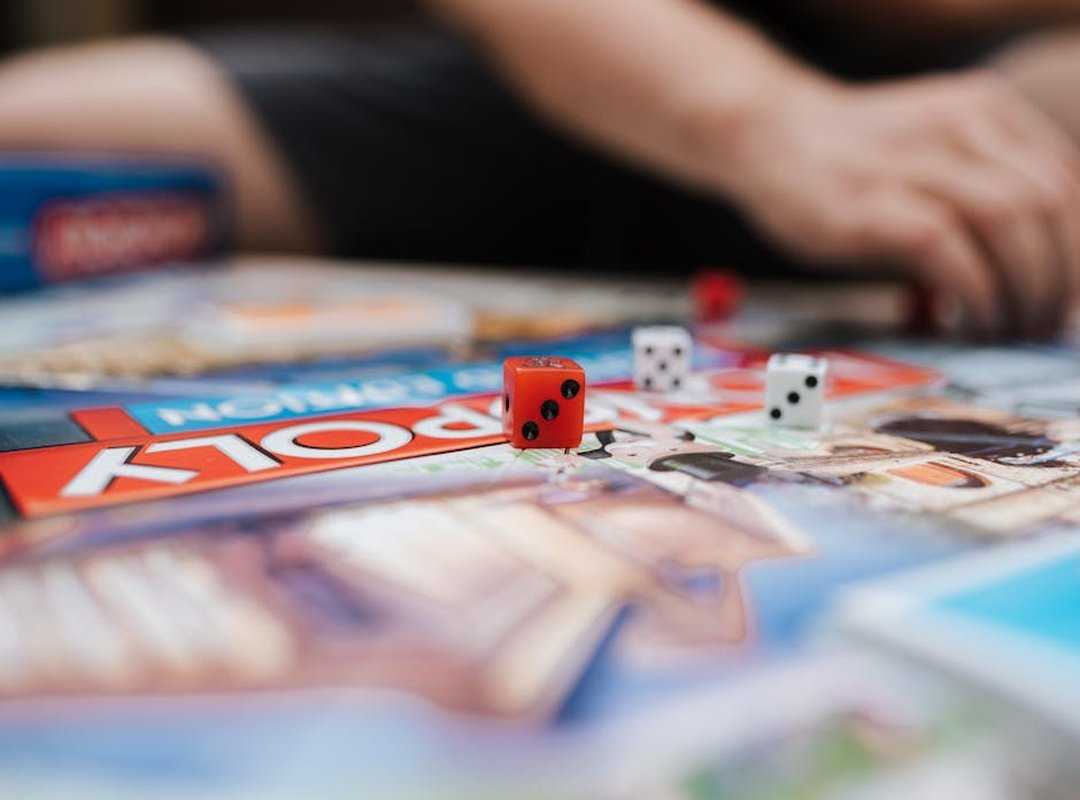
I pick games based on what my kid can do (not) what the box says they should do. Grade-level labels are lazy. Dangerous, even.
That kindergarten pattern-matching game? My 13-year-old spent 45 minutes solving it using symmetry logic and conditional reasoning. She wasn’t “practicing shapes.” She was abstract reasoning (and) she didn’t even know it.
Digital doesn’t mean better. A 2022 study in Educational Psychology Review found kids retained 37% less from solo digital math games than from the same rules played with a parent. Even when feedback was instant.
Human interaction isn’t optional. It’s the engine.
Then there’s the emotional friction no one talks about. Turn-taking stress. Winner-takes-all energy.
That moment when your 6-year-old throws the dice because the 9-year-old won again. Learning stops. Full stop.
Fix it fast: switch to co-op mode only. Or use pass-and-play with one shared goal (like) “build the tallest tower together before the timer runs out.”
You don’t need more games.
You need smarter boundaries.
Start with real engagement (not) just screen time or grade tags.
That’s where Active Learning Activities Famparentlife actually begins.
Your First Family Game Night Starts Tonight
I’ve seen it too. You pull out a game hoping for fun and learning. And get one or the other.
Not both.
That’s not your fault. It’s bad design.
Active Learning Games Famparentlife fixes that. Not with theory. With filters you can use now.
With real examples. With tweaks that take 30 seconds.
You don’t need new games. You need the right lens.
So pick one game from section 2. Or grab one you already own and apply one tip from section 3.
Play for 20 minutes tonight.
No prep. No pressure. Just presence.
You’ll feel the shift immediately.
The best learning doesn’t happen at the table (it) happens between people who are fully present, curious, and having fun together.