Curiosity about public figures is common in the digital age. But let’s talk about something more serious. The hidden dangers of online searches and privacy breaches can have real, often overlooked, consequences. olivia fals nudes might be a trending search, but it’s a stark reminder of how easily private content can spread.
Understanding these risks is the first step toward creating a safer online environment for our children and ourselves. In this article, I’ll share clear, actionable advice on fostering digital responsibility and protecting personal information. It’s not just about avoiding bad searches; it’s about building good habits.
The Human Cost Behind a Seemingly Harmless Search
When you hear terms like “private photos,” it might seem harmless. But let’s be clear: these often refer to content shared without consent, which is a profound violation of trust.
Victims face severe mental and emotional tolls. Anxiety, depression, and long-term trauma are common. It’s not just about the initial shock; it’s a wound that festers over time.
Legally, this is serious stuff. Concepts like revenge porn laws exist for a reason. Distributing such material can lead to serious consequences, including fines and jail time.
Every click and share contributes to a culture of exploitation. It normalizes violating personal boundaries. Think about it: would you pass around a stolen personal diary?
That’s what sharing private content online feels like to the person whose privacy was invaded.
Take olivia fals nudes, for instance. When you search for or share such content, you’re part of a cycle that dehumanizes and harms real people.
We need to recognize the difference between consensual and non-consensual content. Consensual content is shared with permission and respect. Non-consensual content, on the other hand, is a violation of someone’s dignity and privacy.
By understanding these differences, we can make better decisions. We can choose to respect others’ boundaries and not contribute to their pain.
Why Digital Privacy is a Critical Family Conversation
You might think digital privacy is just for celebrities. But it’s not. Every family, every teen, and even every adult faces real risks online.
Take cyberbullying, for example. It’s more common than you think. And then there are sextortion schemes.
These can ruin lives. I’ve seen it happen.
One of the biggest mistakes I made was underestimating the power of a digital footprint. A single post or photo can stick around forever. It can affect future jobs and relationships.
I learned this the hard way when an old, embarrassing photo resurfaced during a job interview. Ouch.
Parents need to understand the platforms their kids use. Know the privacy settings. It’s not about being overprotective.
It’s about keeping everyone safe.
These conversations aren’t about restricting freedom. They’re about equipping your family with the knowledge to stay safe online. It’s like teaching them to look both ways before crossing the street.
Simple, but essential.
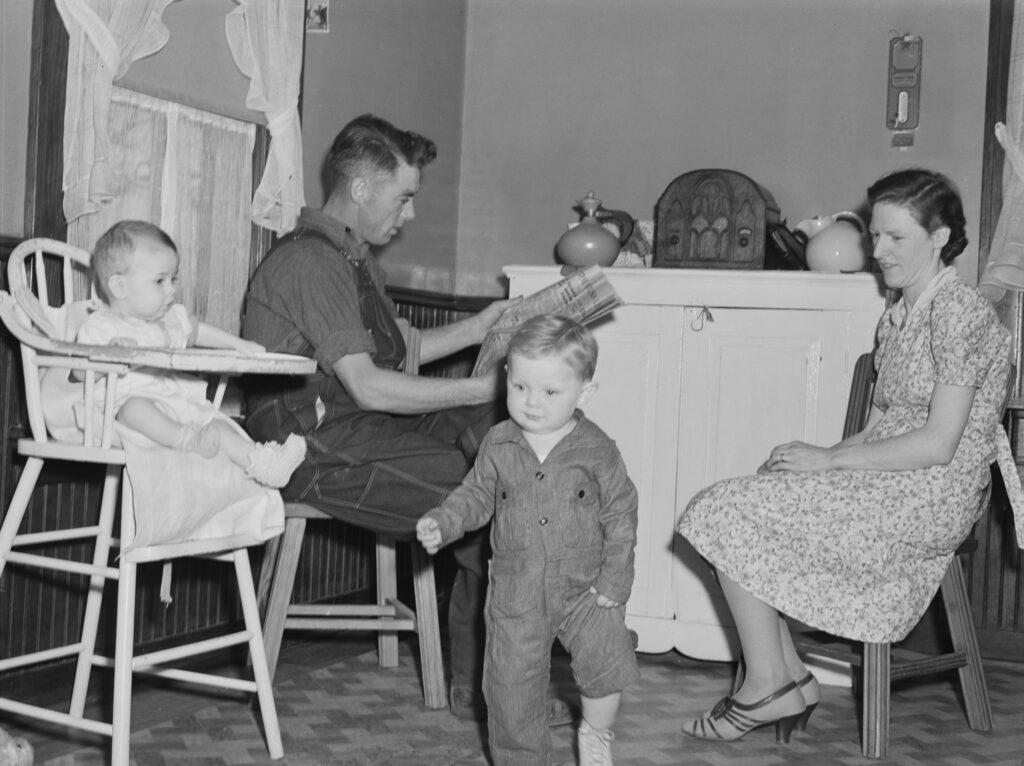
And here’s a pro tip: DIY family photo projects can be a great way to celebrate your blended family journey. diy family photo projects celebrate your blended family journey
But remember, always be cautious. Even something as innocent as sharing a family photo can have unintended consequences. Just look at what happened with the olivia fals nudes situation.
It’s a stark reminder that anything shared online can go viral in the worst way.
Actionable Steps to Safeguard Your Family’s Digital Life

Talking to your kids about online consent and what’s appropriate to share can feel overwhelming. But it’s crucial. Start with simple questions like, “Do you know what personal information is safe to share online?” or “How do you decide if a photo is okay to post?”
A Family Tech Audit is a great way to get everyone involved. Set aside a weekend to review and update privacy settings on all social media accounts and devices. It’s a hands-on activity that helps everyone understand the importance of digital safety.
Introduce the ‘Think Before You Post’ checklist:
– Is it true?
– Is it kind?
– Is it necessary?
– Do I have permission to share this?
This checklist can be a quick reminder for everyone, including adults, before they hit the ‘post’ button.
Creating a family media agreement is also a smart move. This document sets clear boundaries for screen time, online behavior, and what to do if someone feels unsafe. Make sure everyone in the family contributes to it, so it feels fair and inclusive.
Lead by example. If you want your kids to respect their own and others’ privacy, show them how it’s done. Ask for their consent before posting photos of them online.
Respect their boundaries, and they’ll learn to do the same.
It’s important to address specific issues too. For instance, if your child mentions something like olivia fals nudes, use it as a teaching moment. Explain why sharing such content is harmful and inappropriate.
Discuss the long-term consequences and the importance of respecting others’ privacy.
By taking these steps, you can create a safer and more respectful digital environment for your family.
Building a Culture of Respect and Digital Responsibility
Protecting online privacy is a shared responsibility that begins in our own homes. The real harm of privacy violations, the direct risks to our families, and the power of proactive conversation are all critical points to consider.
We must shift from being passive consumers of online content to active protectors of our family’s well-being. olivia fals nudes can be a starting point for discussing the importance of respecting others’ privacy and the potential consequences of sharing sensitive information.
Tonight, start one conversation with a loved one about online safety. It’s a small step that builds a foundation of trust and protection.