Own the Emotional Rollercoaster
Divorce cracks things open. You’ll feel grief, guilt, relief, and confusion sometimes all before breakfast. That doesn’t mean anything’s wrong with you. It just means you’re human. The emotional contradictions are normal. You can be proud of your decision and still mourn the life you thought you’d have.
Start by dropping the pressure to fix it all. There’s no perfect pace for healing. Let yourself feel what shows up, without judgment or apology. Suppressing emotions just makes them heavier to carry later.
One simple tool: journaling. Doesn’t have to be poetic or long. Just jot down what’s swirling daily. Short emotional check ins “Today felt heavy,” or “I noticed I missed the quiet” help you track patterns. You don’t need clarity right away. But you do need to keep listening to yourself. That’s how you stay grounded in the chaos.
Set Realistic Co Parenting Expectations
Let’s get something out of the way: you’re not required to be best friends with your ex. Co parenting works when it’s functional, not when it’s warm and fuzzy. If you can communicate clearly, stick to agreements, and prioritize your kids, you’re doing your job. All the extra stuff? Optional.
Structure matters more than perfection. You’ll have off days. So will they. But if the boundaries and routines are clear, there’s less chaos for your kids and less room for misunderstanding. Think calendars, pick up times, school forms. Make boring your superpower.
And conflict? It’s coming. Prepare for it. Know your triggers. Pre plan your responses so you don’t have to react in the heat of the moment. Silence is often more powerful than the wrong words. Keep the focus on solutions. When things get tense, remember: steadiness beats drama. Every time.
Prioritize Communication Clarity

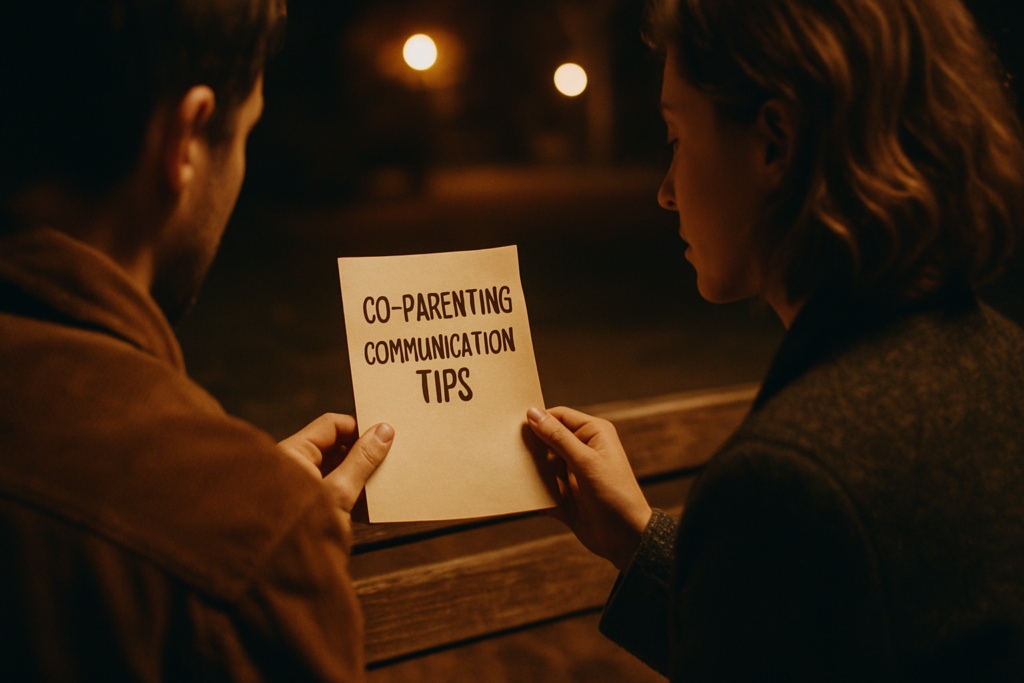
Clear, composed communication is the backbone of healthy co parenting. After a divorce, emotions can easily creep into conversations, especially during tense moments. That’s why it’s essential to take a conscious, businesslike approach whenever discussing shared parenting responsibilities.
Keep It Calm and Professional
Approach difficult conversations with the same level of poise you’d use in a professional setting. This helps shift the tone from personal confrontation to shared problem solving.
Focus on the topic at hand not past grievances
Use “I” statements instead of blame (e.g., “I’d appreciate more notice on schedule changes”)
Take a pause if emotions get too high before responding
Lean on Written Communication
When possible, default to writing things down. Texts, emails, or co parenting apps provide clarity and documentation, and remove the pressure of in the moment reactions.
Use written platforms for schedules, pickups, and changes
Keep messages short, direct, and free from emotional language
Avoid sarcasm, second guessing, or excessive punctuation it clouds meaning
Keep Kids Out of the Middle
Children should never play the role of go between, interpreter, or emotional buffer. They need security not stress.
Don’t send messages through your child
Never ask kids for updates about the other parent
Avoid venting frustrations where your child can hear
When you prioritize clarity and boundaries in communication, you set the tone for a more stable and respectful co parenting dynamic.
Build a “You” Routine
Post divorce life has a way of shrinking your world down to essentials kids, work, survival. But burnout doesn’t help anyone. Making time to be alone and unplug is not a luxury; it’s a mental reset. A short walk, a coffee alone, ten quiet minutes without a screen done daily, moments like these create space to breathe.
Outside of parenting, there’s still a whole version of you worth investing in. Pick up old hobbies. Try new ones. Whether it’s boxing, pottery, or learning Italian through YouTube, channel a little energy into something that’s yours.
Rituals help. Small, repeatable things with meaning. Lighting a candle before journaling. A Sunday playlist. Morning stretches. They act like anchors steadying, quiet, simple. Over time, they’re not just habits. They’re reminders: you’re still you, and you’re still growing.
Watch Your Mental Fuel Gauge
Post divorce life can drain you fast, especially when co parenting is layered with logistics, emotion, and long days. Your mental baseline matters and it starts with the basics. Sleep isn’t a luxury. Moving your body, even lightly, clears the emotional fog. And how you fuel yourself (yes, what you eat) impacts how reactive or resilient you are when things get tense.
Don’t wait for a crisis to get support. Therapy and support groups don’t mean you’re broken they mean you’re working smart. Whether it’s a regular check in with a therapist or a monthly group call, think of it like emotional maintenance.
The hardest part? Being brutally honest with yourself. Burnout and anxiety don’t always crash in they creep. If you’re snapping more, zoning out, or dreading every text from your co parent, that’s a signal. Don’t ignore it. Catch it early, act early, and give yourself what you actually need not just what’s convenient.
Protect the Kids, Preserve Yourself
No matter how messy things get with your ex, your kids shouldn’t be the emotional dumping ground. Venting about your co parent especially in front of or to your children doesn’t just feel cathartic in the moment; it leaves lasting stress residue they can’t process. Keep your frustrations in adult spaces, where they belong.
Trying to “win” at co parenting is a wasted effort. You’re not running a competition you’re trying to build consistent, safe ground for your children to grow on. Stability beats point scoring every time. That means making decisions based on what’s best for the kids, not proving a point.
And when tension builds (it will), defend the boundary between grown up struggles and your child’s emotional world. Letting them see or hear conflict might seem unavoidable but when they get caught in the middle, it creates emotional splash damage that lingers.
Want a deeper dive into this topic? Check out this guide on coping with co parenting. It’s packed with additional mental wellness strategies that can support your ongoing journey.