A Shift in Modern Family Norms
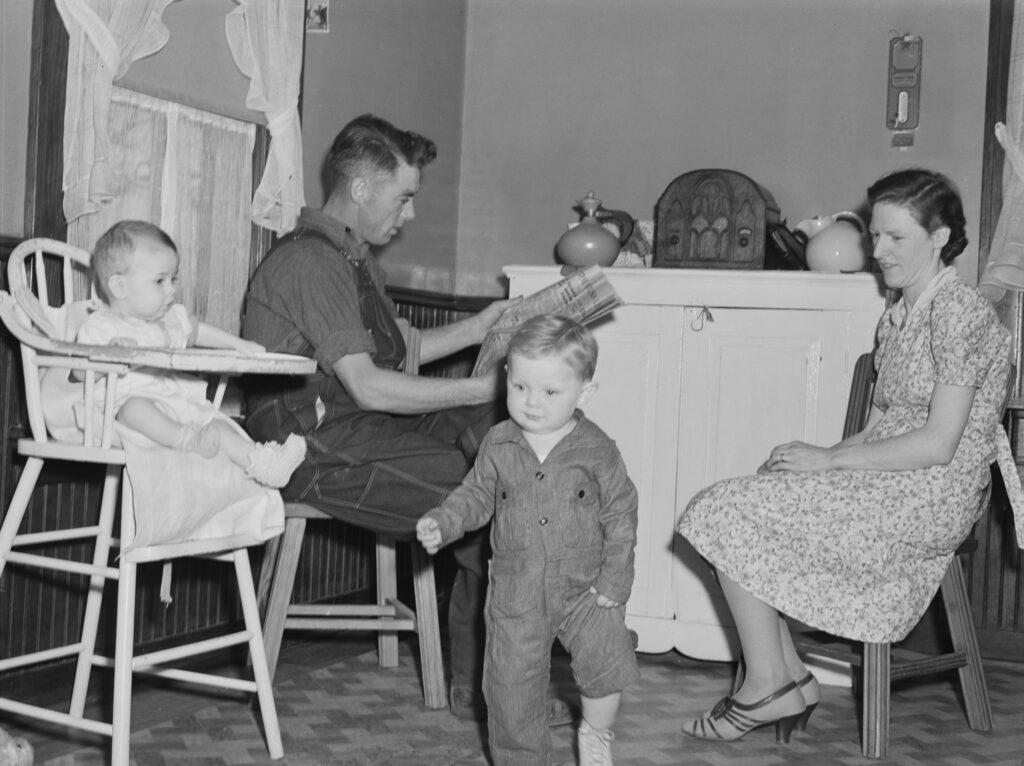
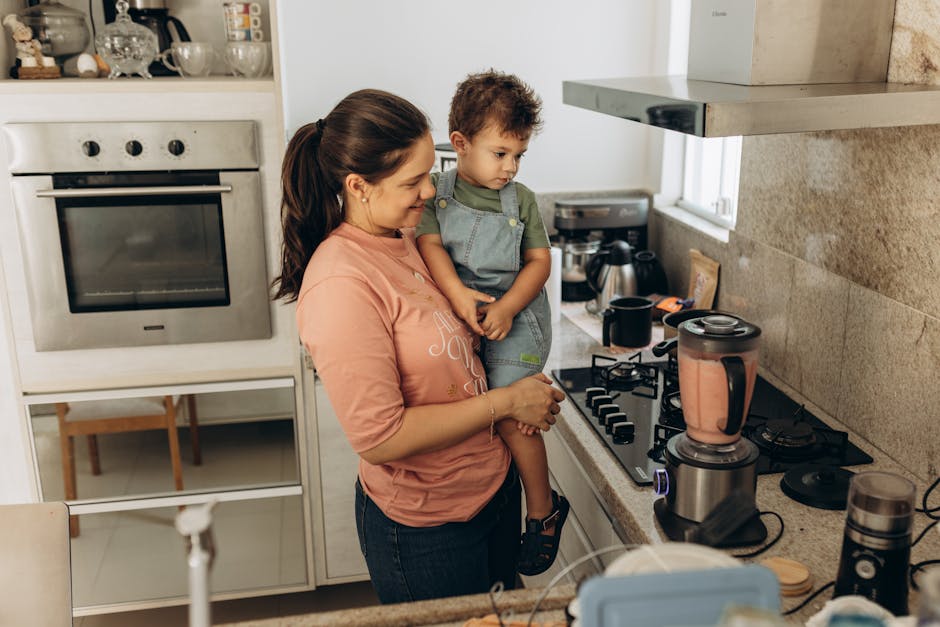
The idea of “one household, two parents, two kids” isn’t the standard it once was. Today’s families might include step parents, co parents, bonus siblings, or any number of blended connections. And it’s not just anecdotal new data backs it up. According to recent studies, a growing number of Americans report positive views on non traditional family setups, from shared custody arrangements to multi parent households. What once felt fringe is now more familiar.
That shift matters. When society broadens its definition of family, systems need to evolve too. Schools are rethinking parent communication channels. Healthcare providers are adjusting intake processes and legal forms. For policy makers, this means addressing everything from parental leave to guardianship laws with a wider lens. The nuclear family isn’t going extinct but it’s no longer the only model worth planning around.
What the Latest Numbers Tell Us
Blended families aren’t just anecdotal they’re showing up in hard data. Recent demographic reports from the U.S. Census Bureau and international agencies confirm a steady rise in stepfamilies, re coupled households, and co parenting arrangements. Estimates suggest nearly 1 in 3 children in the U.S. now lives in a home with a stepparent, stepsiblings, or half siblings. Globally, similar trends are emerging across Europe, parts of Asia, and Latin America, where societal shifts and rising remarriage rates are redrawing family borders.
The root of this evolution? Marriage and divorce rates are down overall, but remarriage is fairly stable especially among adults in their 30s and 40s. People are forming families later in life and re structuring them more often. As a result, non traditional configurations are becoming more standard than exception.
If you want to dig into the numbers yourself, take a look at this rundown of blended family census data. It paints a clear picture: the modern family playbook is expanding, fast.
How Society Is Embracing the New Norm

Blended families are no longer sidelined in sitcoms or hidden behind buzzwords. Media especially streaming platforms and social first creators are telling fuller stories about stepfamilies, showing them not as complications, but as valid, evolving family units. From Netflix dramas to YouTube vlogs, representation has started to mirror reality: bonus moms showing up for dance recitals, stepdads learning how to co parent with humor and awkwardness, kids navigating life with multiple houses but plenty of love.
Language is shifting too. The old labels “broken home,” “stepmonster” are fading out in favor of terms like “bonus parent” or simply “my other mom.” It’s less about tiptoeing and more about claiming space. This linguistic update matters. It signals that society is getting more comfortable with fluid family roles, and that respect doesn’t always depend on biology.
Family law is inching forward, albeit unevenly. Some states are recognizing third parent rights, or expanding custody frameworks to fit step and co parent setups. Progress is slow, but happening and families aren’t waiting around for the law to catch up. They’re building the structures they need in real time.
Schools and workplaces are adjusting, too. Teachers are trying to keep up with class rosters that include hyphenated last names and multi household pickup plans. HR departments are beginning to rewrite leave policies and benefits packages to account for complex caretaking roles. In short: the system is learning. Blended families are pushing institutions not just to acknowledge them, but to adapt.
Key Challenges That Remain
Blended families carry a lot of emotional weight. Kids might be adjusting to split time between homes, new step siblings, or feeling caught between parents. Adults aren’t off the hook either balancing co parenting dynamics, new relationships, and identity shifts takes a toll. These transitions require more than patience. They need open communication, boundaries, and a willingness to let people process things at their own pace.
Then there’s the hard logistics. Managing finances across two or more households can get messy fast. Who pays for what? What about college savings or medical insurance? Legal clarity matters here custody agreements, estate planning, even something as simple as school pickup rights need structure. Without it, tension builds.
Support systems haven’t quite caught up. Most parenting books and school policies still lean nuclear family first. What blended families need are resources that speak directly to their complexity: more inclusive therapy models, better legal advice tailored for stepfamilies, and community spaces where honesty isn’t taboo. Progress is happening, but slowly.
What’s clear is this: blended families are here to stay. The sooner we build tools and support around their realities, the better off everyone will be.
Where the Movement Is Headed
Policymakers are starting to understand that many families no longer fit the old mold. Laws and benefits systems are slowly catching up acknowledging step parents in legal custody discussions, expanding definitions of healthcare and tax dependents, and reviewing housing policies to meet multi home parenting realities. It’s overdue, but underway.
At the same time, more families are actively seeking tools to make blending smoother. Counseling and mediation aren’t just for crisis moments anymore they’re becoming part of the regular toolkit. Parents want guidance on co parenting, stepparent boundaries, and how to juggle emotions across households. As the stigma fades, demand for real support is rising.
Add to that a growing wave of creators, bloggers, and everyday parents sharing their journeys online. These shared stories matter. They build connection, fight isolation, and show what’s possible. Platforms amplify voices that once felt invisible. They’re not just helping families feel seen they’re shaping the broader cultural shift.
Explore further here: blended family census data