Picking the Right Movie for Everyone
Comedy works like a shortcut in blended families it skips over awkwardness and dives straight into connection. The right laugh at the right time can shift the mood, break tension, or help two siblings start seeing each other as allies. It softens the edges, especially in homes where members might still be learning how to co exist.
But finding the right kind of funny is the trick. Smart families go for age appropriate humor with wide appeal. Think less crude slapstick, more clever wit, visual gags, or heartwarming goofiness. Pixar, early 2000s comedies, or stuff like “Paddington” hit multiple age zones without losing charm. You don’t need nonstop laughs just moments that land with everyone in the room.
Rotating who picks the movie helps settle the fairness debate before it starts. Build a simple system: youngest to oldest, alternate weeks, or draw names from a jar. The point isn’t just keeping things balanced it’s letting everyone feel seen and heard. Plus, it introduces variety and helps kids take ownership of family time.
As for choices, family safe classics still pull their weight (“The Sandlot,” “Mrs. Doubtfire,” or “Home Alone”) but newer hits like “Mitchells vs. The Machines” or “Paddington 2” blend modern pacing with a solid message. Classics offer nostalgia for parents, while modern options give kids stories that feel current. A mix of both lets everyone win.
Setting the Scene for Connection
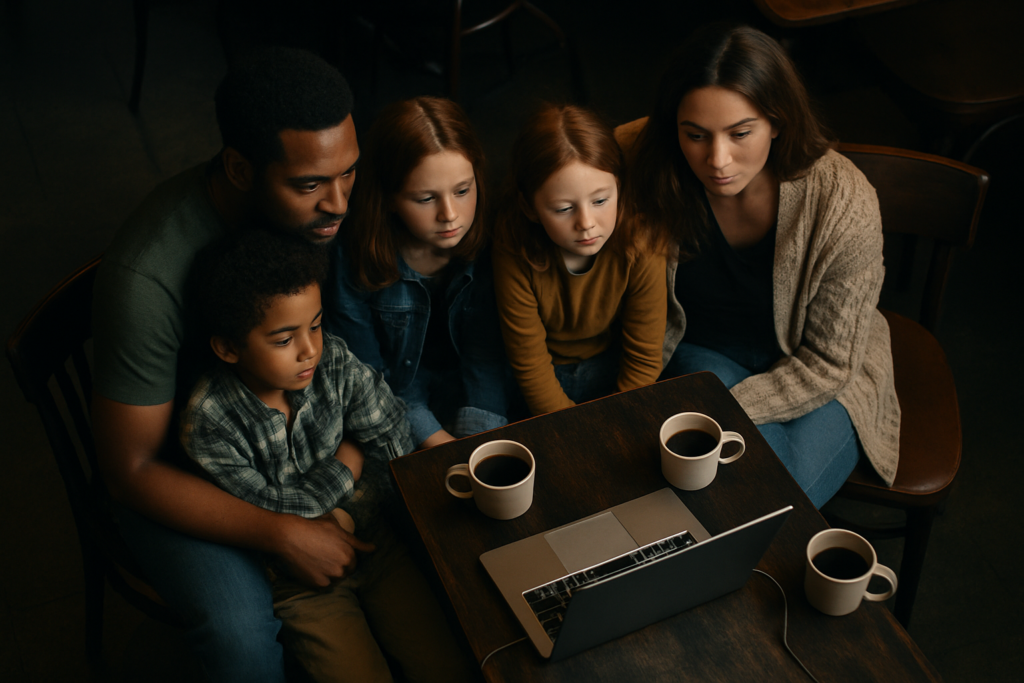
Blended families thrive on low pressure moments the kind where nobody’s trying too hard, but everyone feels a little closer by the end. That’s the real beauty of movie night. It’s an easy win: no demands, no forced hugs, just a shared couch and a good laugh. The power isn’t in the film itself it’s in the downtime together.
Creating a welcoming, judgment free zone makes all the difference. Pull out the blankets, pile on the snacks, and ditch the phones. Distraction free doesn’t have to mean intense, it just means present. Everyone should feel comfortable showing up exactly as they are tired, quiet, silly, whatever. That’s the whole point.
Timing also plays a role. The best nights usually aren’t midweek chaos. Aim for a time when people aren’t wiped weekend evenings, or late Saturday afternoons can work well. It’s not about rigid planning; it’s about setting the tone for connection without pressure. When the setup is relaxed, the bonding just happens.
Making It Interactive

Don’t just watch the movie make it an experience. One of the easiest ways to bring the room together is with simple “pause and laugh” breaks. Someone cracks up? Hit pause. Let the moment breathe. It’s not about rushing to the next scene it’s about catching your breath, replaying the funniest one liner, or tossing in a quick reaction that sparks a real laugh across the room.
After the credits roll, keep things rolling with a quick chat. Post movie discussions don’t need to feel forced. Ask what scene hit hardest, what moment everyone would rewind, or who’d win in a dance battle just something that pushes the conversation forward.
Print out some quick movie rating cards nothing fancy. Have kids and adults rate the film on laughs, plot, or how likely they’d rewatch it. Toss in a wildcard category like “best snack scene.” These kinds of light rituals make the experience feel more personal, and they give everyone, even the quiet ones, a voice.
And here’s where the real magic starts: grab those hilarious quotes and turn them into a family vault of inside jokes. Scribble them down, stick them on the fridge, or make a digital quote board. Over time, those shared lines become language shortcuts tiny reminders that hey, this family knows how to have fun together.
Pro Tips for Blended Family Harmony
Blended families often come with different rhythms tastes, routines, histories. So when it comes to movie night, don’t aim for one size fits all. Instead, aim for balance. Rotate who picks the movie, and honor attention spans. Maybe your youngest tunes out after 30 minutes, or your teen zones in once the plot thickens. That’s fine. Keep things flexible. Some families even make a rule: if it’s your pick, everyone watches without complaint. Next week, it’s someone else’s turn.
The real glue often isn’t the film it’s the laughter. Humor has a sneaky way of breaking down walls, especially between step parents and step kids who are still getting used to each other. A good comedy can thaw tension without trying too hard. If someone laughs till they snort, that’s usually a win.
Traditions matter, too. Try pulling in something small from each household mom’s popcorn mix, dad’s favorite blanket fort style, or a pre movie trivia round borrowed from a cousin’s game night. It shows that every piece of the family puzzle has a place.
And if movie night unlocks storytelling mode? Lean into it. Use the momentum from that shared laugh or dramatic gasp to start a themed storytelling session the next week. Maybe each person tells a tale based on a character from the movie. You’ll be surprised what surfaces. For ideas, check out this guide to an intentional storytelling night.
When One Night Isn’t Enough
Movie night doesn’t have to be a one off. For blended families, starting a regular movie club can quietly become one of the most stabilizing and joyful traditions in the house. It’s low cost, easy to plan, and naturally invites everyone to take turns participating. Rotate the host each week one person picks the film, another handles snacks, someone else leads a quick post movie chat. It gives everyone a role without forcing it, and that sense of shared contribution goes a long way.
Consistency is what makes it stick. Same night of the week. Same start time. Maybe even the same cozy blanket pile or popcorn bowl. These small repetitions build comfort and trust especially for kids navigating new family dynamics.
But don’t let it get stale. Keep the format loose enough to allow for theme nights (think ’80s comedies, pet movies, or holiday picks) or mini marathons when everyone’s up for more. These themed stretches give the club some flavor and let family members show off their tastes.
Ultimately, recurring rituals like a movie club are more than just entertainment they’re a rhythm. A touchstone. A soft place to land together every week. For more ways to build that emotional muscle, check out our storytelling night tips.
Closing the Night Right
Ending movie night on a thoughtful note can turn a fun evening into a meaningful memory. For blended families, these gentle moments of closure help build emotional safety and lasting connections.
Sincere Check Ins Before Bedtime
Take a minute or two to check in with each family member. This isn’t about grilling or fixing problems it’s about creating a safe and regular time for everyone to feel seen.
Ask simple questions like “What was your favorite part of the movie?” or “Anything silly pop into your head?”
Keep the tone light and judgment free
Use this time to reinforce that everyone’s voice matters
Laughter Builds Trust
Shared laughter goes deeper than surface level fun it reduces tension and opens emotional doors. Ending the evening with light humor reminds everyone they’re part of something safe and joyful.
Recap a funny scene or line together
Let kids retell jokes or reenact favorite moments
Keep laughter playful, not performative
Easy Traditions That Signal Togetherness
A simple closing ritual gives blended families a shared rhythm. These small, familiar cues quietly say: “We belong together.”
Family group hug or a fun handshake
One liner joke everyone takes turns with each week
A signal phrase like “Another one for the vault!” or “Same couch next week?”
These consistent night enders create emotional bookends and a comforting sense of continuity as your family grows closer, one movie at a time.