Know What You’re Working With
Talking about mental health is always nuanced but in blended families, those layers run deeper. To communicate openly and effectively, it’s crucial to recognize the emotional terrain you’re navigating from the start.
Blended Families Have Unique Emotional Layers
Every blended family carries its own emotional history. From past relationships to shifting dynamics, these elements can complicate conversations about well being.
Children may be balancing loyalties between biological and stepparents
Parents might be adjusting to new roles, responsibilities, and boundaries
Stepparents often walk the fine line between support and overstepping
These complexities don’t make open communication impossible but they do make it different.
Why Emotional Safety Feels Different Here
In traditional family structures, trust builds over years of shared experience. In blended families, that trust has to be rebuilt or built from scratch across multiple relationships. That impacts how and when people feel safe to speak up.
Custody arrangements may limit how often some family members can connect, stalling relationship growth
Past conflicts (between ex partners or between stepsiblings) may still linger or influence emotional openness
The pressure to ‘blend well’ can sometimes silence genuine feelings to avoid rocking the boat
Mental Health Conversations Can Hit Differently
When the emotional ecosystem is varied and still forming, talking about mental health can feel delicate. It’s not just about the what it’s about the who, when, and how.
A child might not feel ready to open up to a stepparent
A parent may feel protective or guilty about past experiences
Stepparents could be unsure how much space they’re ‘allowed’ to take in sensitive discussions
Understanding these dynamics is step one. Before anyone feels heard, they need to feel safe and that requires empathy, patience, and awareness of the deeper context.
Creating a Trust Based Environment
Building a trusting environment is essential when discussing mental health in blended families. Children and adults alike need to feel emotionally safe before real conversations can happen. That safety doesn’t come from forced talks it comes from consistency, empathy, and presence.
Model Emotional Openness
Your actions often speak louder than your words. When adults, especially parents and stepparents, show vulnerability in healthy ways, it signals to kids that it’s okay to express emotion.
Share how you’re feeling when appropriate, especially during everyday moments
Admit when you’re struggling, and show what healthy coping looks like
Normalize ups and downs without making it all about you
Consistency Over Intensity
You don’t need to engineer deep conversations every day. In fact, doing so can have the opposite effect. What matters more is showing up consistently.
Make space for conversation without pressure
Offer regular moments of connection, even if they’re brief
Let kids know you’re open but on their timeline
Think Check Ins, Not Confrontations
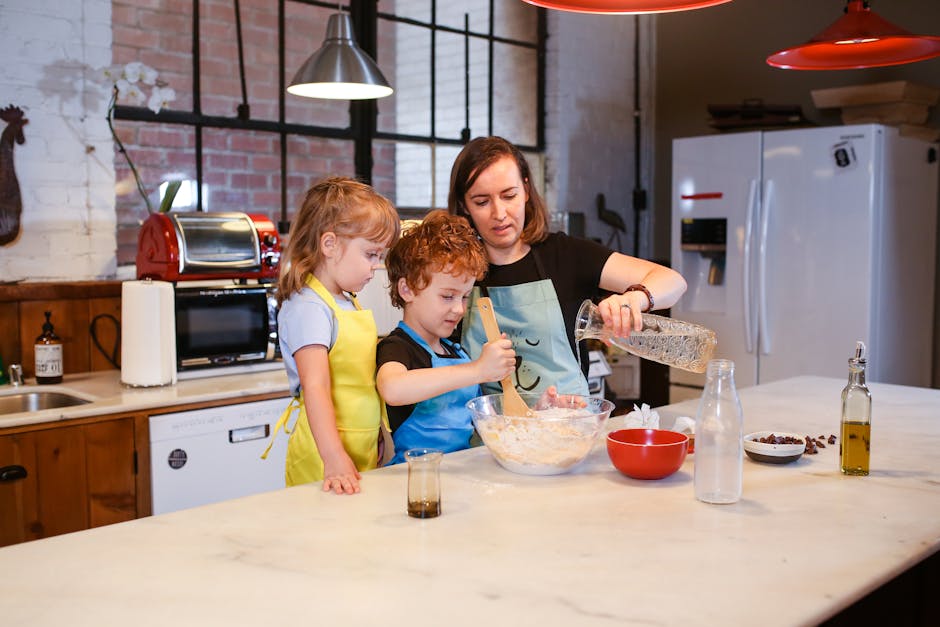
Big, sit down talks can feel intimidating or unnatural. Instead, sprinkle in check ins during shared activities like car rides, cooking, or evening routines.
Ask open ended, non intrusive questions like “How’s your headspace today?”
Take notice if a child seems off, and gently offer support
Respect when someone doesn’t feel like talking just let them know you’re there
Learn to Read Between the Lines
Not everyone in a blended family will feel ready to speak freely. Non verbal cues can offer important insight into how someone’s really doing.
Mood shifts, sleep changes, or withdrawal can signal deeper struggles
Body language and tone often reveal more than words
Learn each family member’s unique communication style especially quieter kids
Related → creating safe conversations
Language That Builds Bridges, Not Walls
In blended families, words matter more than we think. A simple shift from “What’s wrong with you?” to “How are you really doing?” can change the entire tone of a conversation. The first sounds accusatory even if you don’t mean it that way. The second opens space. It shows you’re available, not just alert.
Tone of voice and body language matter just as much. Kids, especially in complex family setups, are quick to detect judgement even when it’s not intended. If they sense an interrogation, they’ll shut down. If they sense care, they may lean in. Same goes for stepparents. No one wants to feel like they’re under a microscope.
It’s also critical to match your approach to the child’s age and personality. You don’t hand a six year old your deep thoughts journal. You don’t drop clinical terms on a teen. But you do stay honest. A simple, “I’ve noticed you’ve been quiet lately, just wanted to check in,” goes further than you might think. It says: I see you, I’m not assuming, and I care enough to ask.
The Role of Stepparents

Being a stepparent in a blended family comes with a unique emotional landscape. While you’re not expected to step into a professional mental health role, your consistency, empathy, and presence can have a lasting impact.
You’re Part of the Equation
You don’t need a psychology degree to support a child’s mental well being. Your actions and reactions play a powerful role every day.
Presence matters more than perfection
Your attitude toward mental health sets a family wide tone
Kids notice when you’re tuned in even if they don’t say it
Know Your Limits
It’s important to strike a balance between offering support and overstepping boundaries:
Don’t try to be the fixer
Respect privacy, particularly around vulnerable topics
If a child is more comfortable with their biological parent, back that space
Instead of forcing conversations, be available when they come to you. Your calm, consistent presence makes it easier for trust to develop over time.
Build Credibility with Empathy
Over time, small actions build trust. Empathy and active listening go much farther than advice or correction.
Reflect feelings back instead of dismissing them
Use validating phrases like: “That sounds really tough” or “I hear you”
Ask open ended questions instead of making assumptions
Being a supportive stepparent doesn’t mean having all the answers. It means showing up, listening without judgment, and being someone they feel safe talking to with or without words.
Kids Talking to Kids
Sometimes the best conversations in a blended family don’t start with adults they happen between siblings and stepsiblings. When kids open up to each other, the dynamic shifts. It’s not top down advice, it’s peer connection. That’s powerful.
Encouraging those talks doesn’t mean stepping aside completely. Set basic boundaries so everyone feels safe. That could mean making it clear that teasing about personal stuff is off limits, or that certain topics shouldn’t be joked about. After that, give them space to figure out their own rhythm.
When peer level sharing clicks, it sets off a ripple effect. Kids see it’s okay to talk about feelings, and that openness spreads. But be clear: don’t hover. You can stay dialed in without inserting yourself into every whisper session. If something feels off, check in. Otherwise, let them build trust with each other on their own terms.
When to Bring in Outside Help
Not every issue can be solved around the dinner table. If a child or adult in the family is shutting down completely, acting out in sudden or extreme ways, or withdrawing from things they used to care about, these are serious cues. Repeated sleep issues, eating changes, or intense anger that surfaces fast and often all of it points to something deeper. These aren’t just moody days; they’re signals that a conversation won’t cut it.
Here’s what needs to shift: therapy should be considered a strength move, not a last ditch effort. It’s not failure. It’s not a label. It’s maintenance. Just like blended families often bring in legal or financial help to sort logistics, bringing in mental health support should be just as normalized. Sit down as a family and talk about it without the tension. Frame it as a tool not a punishment.
Professional help doesn’t need to mean full on diagnosis or crisis response either. Family therapists, child counselors, or even short term guidance sessions can clear the air and strengthen communication channels. Think of it as part of the long term toolkit for keeping the family dynamic healthy and giving every member a voice.
For more ways to create safer conversations at home, check out creating safe conversations.
Bottom Line: It’s Not One Conversation
Talking about mental health in blended families isn’t a box you check off. It’s not a single talk at the dinner table or one well phrased question in the car. It’s ongoing. It shows up in the quiet moments, in side comments, in how you react when someone snaps or shuts down. And it takes time.
Some weeks will feel like progress. Others will feel like you’re starting from scratch. That’s okay. Mental health is messy, especially in families that are still figuring out how to function as one unit. Don’t expect a straight line. Expect backsteps, side steps, tension, silence and still, moments of connection.
What matters more than being perfect is being present. Stay available. Show up when you’re needed and sometimes when you’re not. Let the door stay open. People feel that. Patience speaks louder than any big speech. Underneath it all, the goal is simple: trust built over time through steady, real presence.