Blended Families Are on the Rise
The numbers are in, and they tell a clear story: blended families aren’t just becoming more common they’re becoming a defining feature of modern households. According to the latest census data, there’s been a marked uptick in homes that include step parents, half siblings, co parenting dynamics, and non biological guardianship models. The traditional nuclear family is no longer the default. We’re seeing more homes with multiple households tied together by shared parenting than ever before.
These changes aren’t just happening at the margins. They’re reshaping what it means to be a family in today’s world. The rise in blended households reflects larger social shifts more divorces, more remarriages, more people choosing to parent outside marriage altogether. And where once there was stigma around these family forms, there’s now a growing sense of normalization. Today’s families are complex, fluid, and resilient rooted less in structure and more in connection.
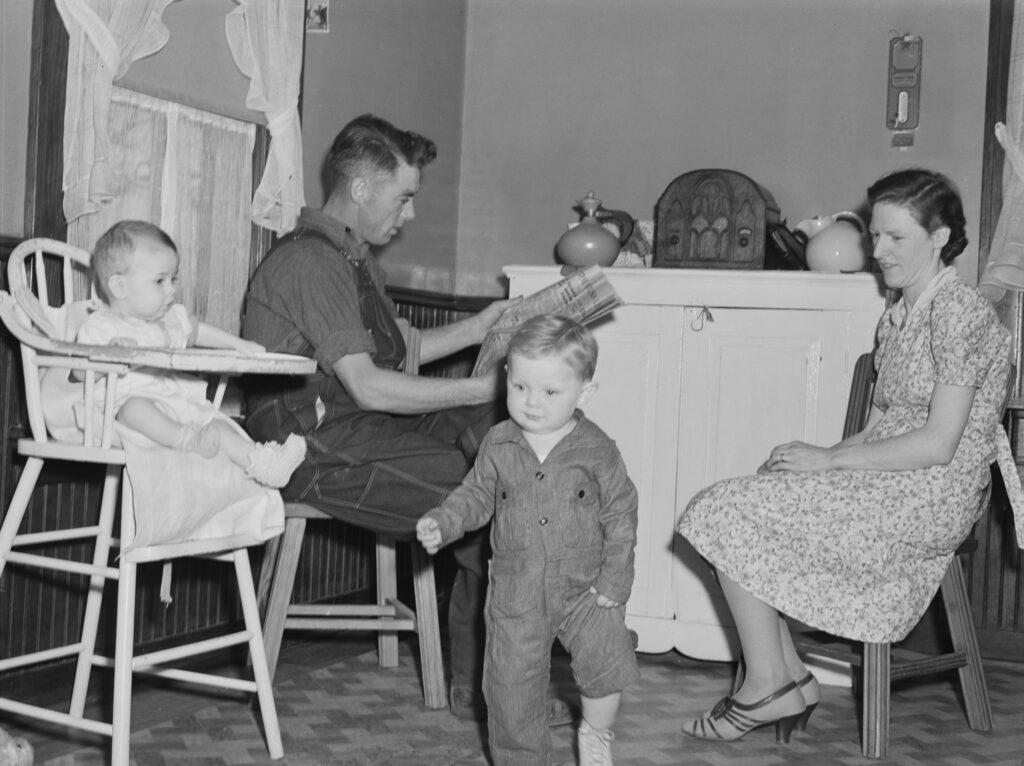
For anyone who still views family through a 1950s lens, it’s time to update that picture. The modern family comes in more shapes than ever before, and the census is finally catching up.
What the Data Is Really Saying
The latest blended family census sheds light on a major shift in who’s living together and how they define family. Step parents, co parenting adults, and siblings from different unions now make up a sizable portion of American households. One of the sharpest findings: nearly 1 in 4 children under 18 lives in a blended home. That’s not fringe that’s mainstream.
Geography tells its own story. Urban areas report more diverse and multi layered family structures, often tied to fluid housing setups and wider cultural acceptance. In contrast, rural regions show more traditional patterns, but that’s starting to break. Whether it’s a ranch town in Idaho or a dense zip code in Atlanta, the lines around what “counts” as family are getting blurrier.
Age and income also factor big. Younger parents especially millennials are more open to nontraditional arrangements and co parenting outside marriage. And while blended families exist across every tax bracket, economic stress can intensify complex dynamics. Lower income blended households often navigate tighter resources, shared custody expenses, and overlapping responsibilities without enough structural support.
Cultural backgrounds add another layer. In some communities, multi generational homes are the norm, and blending isn’t new it’s just called something else. In others, stigma still lingers, particularly around divorce or single parenthood. The data’s clear on this, though: blended families are growing across every demographic line. Understanding that nuance is step one to building systems that actually reflect reality.
Shifting Roles Inside the Home
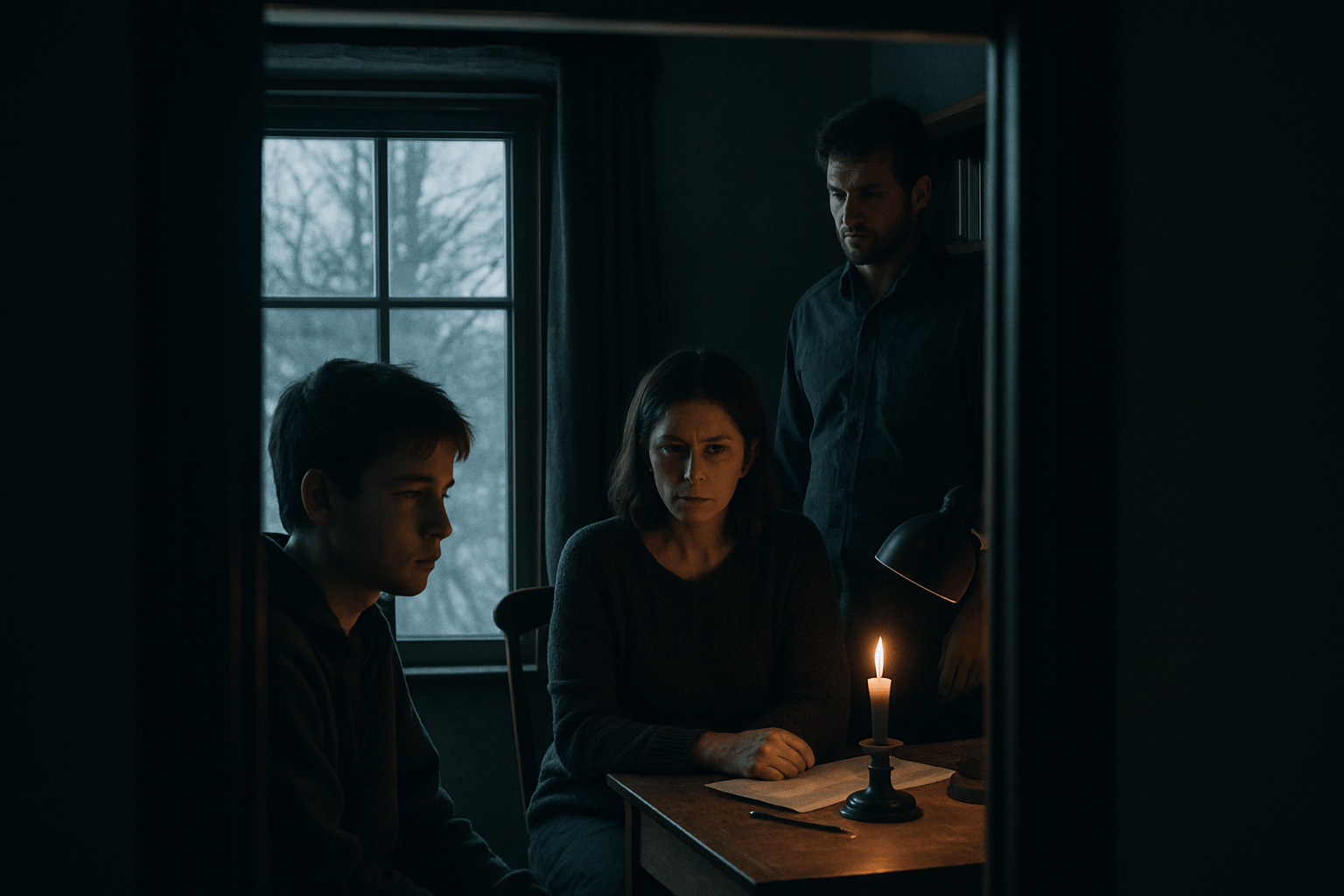
What It Means to Be a ‘Parent’ Today
The definition of a parent has expanded beyond biology. In modern blended households, multiple adults may take on active parenting roles, each with their own responsibilities and emotional investment.
Adoptive parents: Legally recognized and emotionally bonded caregivers
Step parents: Often juggle authority with boundaries, depending on their level of daily involvement
Foster parents: Provide short or long term care, often while navigating unclear legal futures
Co parents: Collaborate across separate households to raise children with consistency and care
This broader understanding of ‘parent’ reflects the increasing complexity and personalization of family roles.
Negotiating Roles Across Households
Blended families often operate across more than one home, creating the need for clear agreements and continuous adjustment. Roles aren’t static they evolve based on life stage, emotional bonds, and inter parental dynamics.
Negotiations around discipline, traditions, and routines often happen informally
Some families use family meetings or shared calendars to coordinate responsibilities
Flexibility becomes a core skill, especially when children live between households
The Emotional Labor Beneath the Surface
Blended family dynamics require a high level of coordination much of it invisible. From managing divided holidays to addressing emotional baggage from previous relationships, there’s ongoing work to maintain balance.
Step parents often navigate uncertainty: when to speak up, when to step back
Primary parents may carry guilt or feel pressure to make it “all work”
Children, too, may take on emotional labor managing loyalty conflicts between households
Understanding and naming this unseen work is the first step toward building empathy within and beyond blended families.
Challenges That Still Need Addressing
Blended families are now a cultural norm, but most systems haven’t caught up. Schools still default to forms and processes built for traditional nuclear homes. Who picks up the child? Who gets called in an emergency? It’s often not clear and that confusion puts kids at a disadvantage. Simple things like report card access or parent teacher meetings get complicated when there are step parents, shared custody, or multi household living.
Legal and custody systems are stuck in the same rut. Guidelines often assume a binary structure: mom, dad, and a clear chain of custody. But blended families can include multiple adults actively raising the child step parents, co parents, even close extended family. The court landscape, still slow to adapt, doesn’t always recognize those relationships, leaving guardians without rights and kids without full support.
Add to that the mental health strain. Blended family members parents and children alike juggle emotional transitions, identity shifts, and sometimes feelings of rejection. Kids may feel caught between households. Adults might face loyalty conflicts or feel under acknowledged. The psychological toll is real, and many families lack access to professionals trained in these nuanced dynamics. It’s change without a roadmap and families are left to figure it out as they go.
Opportunities for Growth and Stability
Blended families face undeniable challenges, but many are also discovering new paths toward resilience, connection, and long term success. The evolving data tells a more hopeful story when we focus on what’s working.
Building Stronger Support Networks
Intentional parenting is playing a key role in strengthening blended households. It’s no longer about simply fitting everyone into a traditional mold it’s about building support systems that reflect each family’s unique structure.
Active co parenting strategies that prioritize the children’s well being
Inclusion of extended family or chosen kin in key roles
Agreements and routines that reduce confusion and tension across households
Communication as a Foundation
Open dialogue, even when difficult, consistently shows up as a marker for thriving blended families. It forms the foundation for trust, emotional safety, and shared growth.
Regular family meetings or check ins to voice needs and concerns
Clear rules around discipline, boundaries, and roles
Validation of individual experiences, especially for children adapting to multiple parent figures
Creating New Traditions
Custom traditions are emerging as powerful tools for unity. Rather than trying to replicate lost rituals from prior family structures, successful blended households craft new practices that reflect their current reality.
New holiday customs that include everyone meaningfully
Redefined family milestones blending birthdays, anniversaries, or move in dates
Celebrations that honor both shared and distinct cultural identities
Resilience in Practice
Insights from the blended family census highlight the adaptive strengths many of these families display. Rising numbers in household stability and child well being point to tools and values that deserve attention.
Flexibility and empathy as central coping mechanisms
Long term planning over short term emotional wins
Bonding that evolves slowly but meaningfully over time
The data tells us that success in blended families doesn’t look like perfection. Instead, it looks like commitment, creativity, and communication qualities that any family, blended or not, can aspire to.
Looking Ahead
The current census gives us a starting point, but it still misses the full complexity of blended families. Future data collection needs to consider things like multiple household affiliations for a single child, shared custody patterns, and step sibling dynamics. The usual checkboxes married, divorced, children in home don’t cover it.
Policy wise, there’s room to modernize. From custody law updates to school forms that account for multiple parental figures, institutions need to catch up. Cultural recognition also matters media, education, and public discourse should normalize the blended experience instead of treating it like an anomaly.
Why push for all this? Because understanding blended families gives us a clearer picture of how modern society functions. These are real households, navigating real challenges and building resilient bonds. Accurately tracking and supporting them leads to smarter policy, better education systems, and stronger communities overall.